


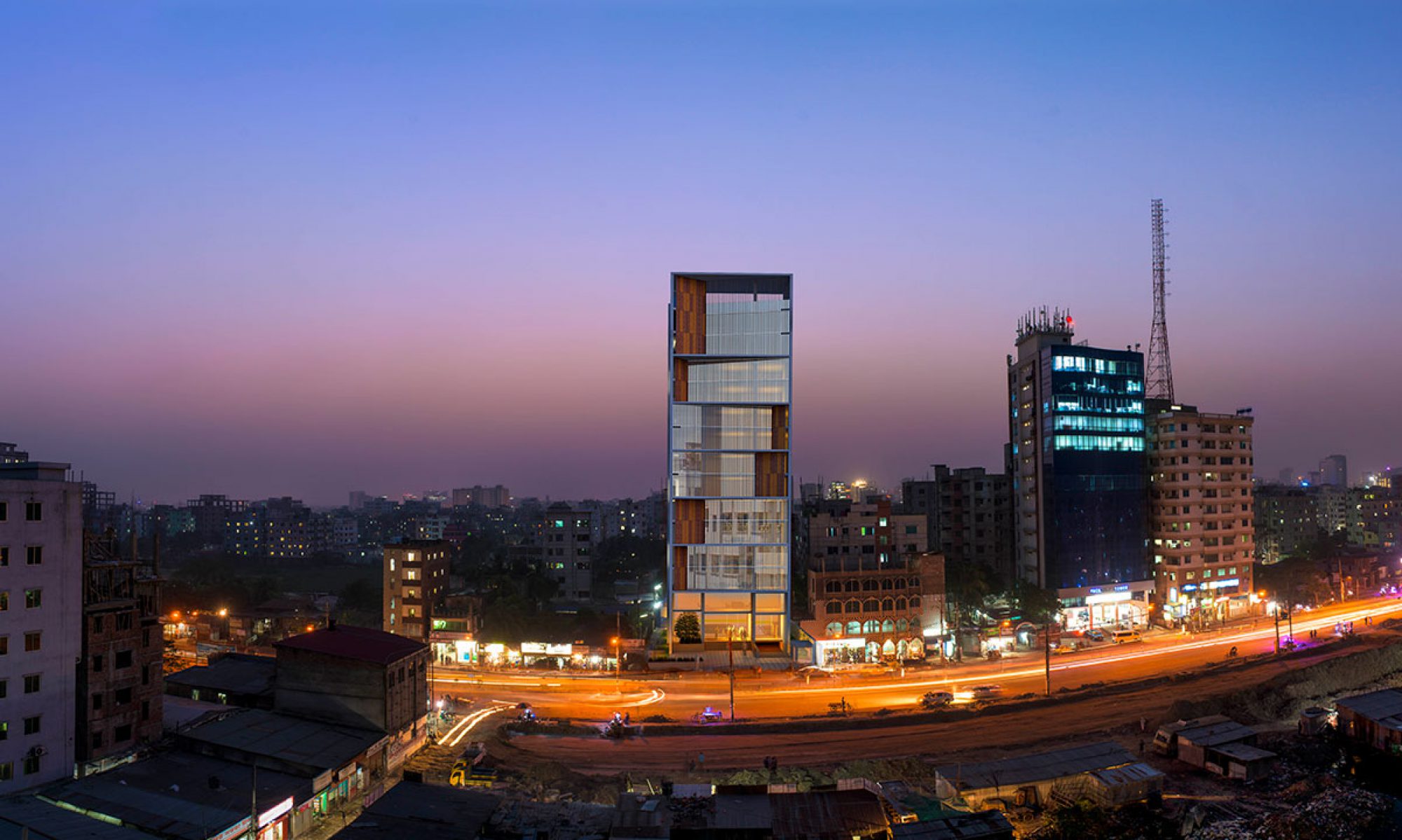
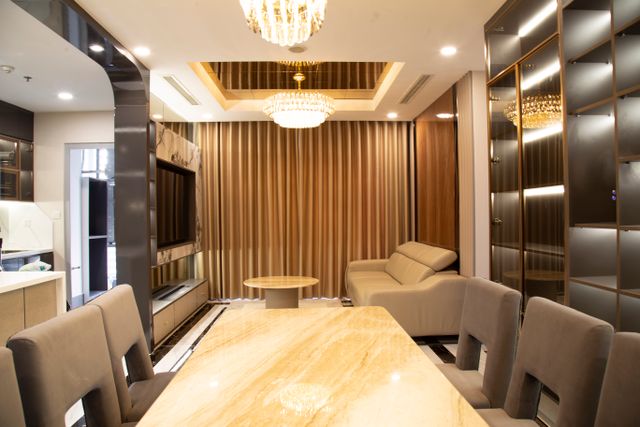
Luxury living in Bangladesh is not for the urban elite anymore. It is expanding alongside the country’s economic growth and rising income levels.
Over the past decade, Bangladesh has maintained an average GDP growth rate of around 6–7% annually, according to the World Bank. This growth has translated into higher household incomes, even in rural areas. As a result, it is increasingly common to see two-storey, well-designed homes with modern amenities even outside major urban centers.
Over the past decade, there has been a noticeable rise in the number of real estate developers and interior design firms across the country.
At the same time, consumer preferences have evolved. Homebuyers today are far more informed and exposed to global design trends through digital platforms. This has led to:
More importantly, there is a clear mindset shift. People are increasingly prioritizing comfort, quality, and long-term living experience over simply minimizing cost.
The evolution of luxury living in Bangladesh is closely tied to the rise of its wealthy population. The country is now ranked among the fastest-growing markets for high-net-worth individuals (HNWIs) globally.
According to The Financial Express, Bangladesh is the 3rd fastest growing HNW (concentration of high net-worth individuals) country! The number of rich people in Bangladesh can rise to 11.4% in five years, according to their findings.
This growth is being fueled by expansion of local businesses, rise of entrepreneurs and SME owners and increasing global income through freelancing and remote work.
As this affluent segment expands, so does the demand for premium housing. These buyers are not just looking for shelter. They are looking for status, comfort, privacy, and modern lifestyle features.
This shift is a key reason why luxury living is no longer niche in Bangladesh. It is becoming a rapidly growing and economically backed housing segment.
Earlier, luxury homes were primarily status symbols. Today, they are also seen as strategic investments. The Business Standard reports that, according to Statista Market Insights, the residential real estate market could grow to $3.53 trillion by 2028. These key shifts include:
So, investing in real estate has become both emotional and financial.
Another major shift shaping luxury living in Bangladesh is the rise of short-term rental platforms and flexible living models like Airbnb. For property owners and developers, this opens up a new opportunity. Luxury homes are no longer just residential assets. They can also function as income-generating properties through short-term rentals.
These platforms have redefined how people experience premium spaces. Instead of owning luxury, many consumers now prefer access over ownership, especially for short stays, travel, or lifestyle experiences.
This trend is now very popular as high-end apartments and furnished homes are designed with hotel-like interiors and amenities, flexible rental arrangements and fully serviced living experiences.
Technology has become one of the most defining features of modern luxury. Smart homes are now an expectation. Features like AI-powered home automation and biometric security systems are becoming standard in high-end properties.
According to industry insights, smart home integration is one of the strongest ongoing trends in luxury housing, shaping buyer expectations globally. Luxury today is as much about intelligence and convenience as it is about design.
Earlier, luxury developments often focused on extravagance. Today, the focus is shifting toward responsible and sustainable living.
Besides, creative architects now introduce the need of energy-efficient buildings, eco-friendly materials and green spaces and natural integration. Modern luxury buyers also feel the necessity of it and act on it.
This shift reflects a broader change in mindset. Wealthy buyers are not just looking for comfort. They are looking for long-term livability and environmental responsibility.
Luxury living has also moved beyond traditional city centers. While prime cities remain important, there is growing demand for resort-style living, waterfront properties and nature-integrated homes.
At the same time, urban luxury has evolved vertically. Iconic high-rise developments now combine residences, hotels, retail and entertainment.
According to global real estate insights, this “lifestyle-integrated living” model is becoming central to modern luxury developments.
The perception of luxury living has changed from status to experience. Once, “luxury” used to mean bigger homes, prime addresses, and visible wealth. Now it means a better lifestyle, smarter living, sustainable choices and personalized experiences.
This transformation is ongoing. As wealth, technology, and consumer expectations continue to reshape; luxury living will keep redefining itself. It won’t be defined by how much you own, but by how well you live.
215, Bir Uttam Mir Shawkat Sarak Road,
Tejgaon I/A, Dhaka-1208
096 17 123 123(Sales Hotline)
02 88 333 23 (Customer Service)
info@rangsproperties.com
© Copyright 2026 - Rangs Properties Ltd
