


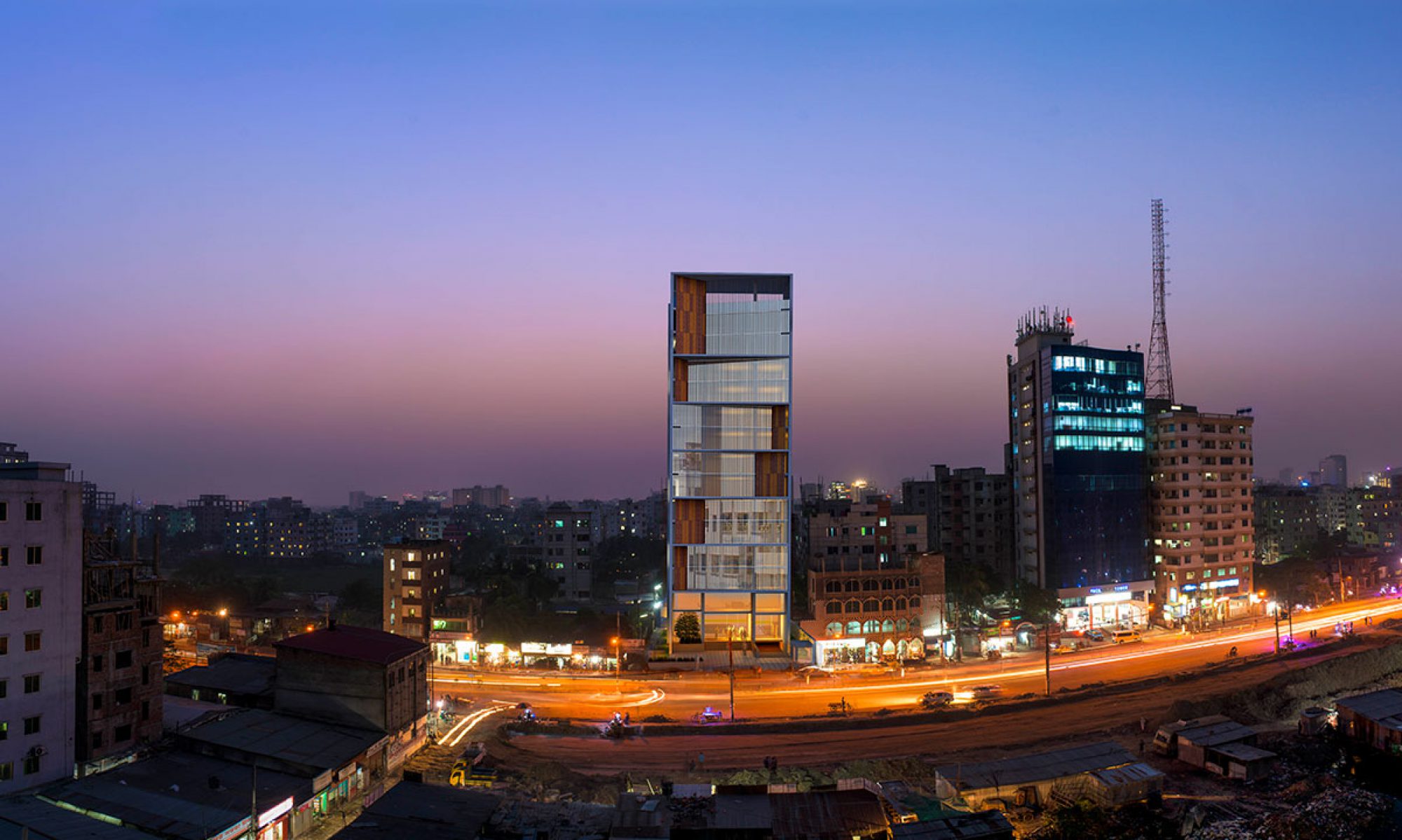
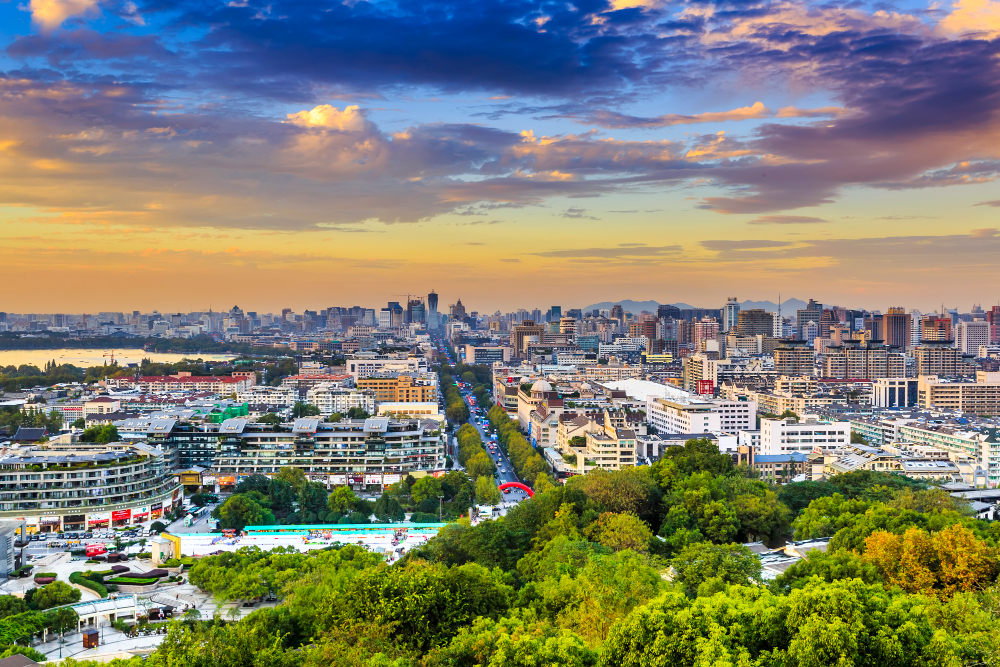
Instead of easing you in, Dhaka will hit you with the density, noise, and unmistakable hunger for vertical space. And somewhere inside all that chaos, money is quietly moving. It slides sideways into concrete, upward into glass facades and outward into planned townships that didn’t exist a decade ago.
The city’s real estate market has held its ground amid currency volatility, surges in construction costs and global headwinds that would have rattled softer markets. Property in high-demand zones like Gulshan and Dhanmondi saw a 15-20% surge in value through 2024-2025 alone. That kind of number can only emerge from a city with over 21 million people and nowhere near enough prime land to go around.
But here’s the part people tend to skip over. Where you invest matters more than what or how much you invest. Not every appreciating neighborhood is a smart bet at every entry point. Some areas have already peaked in terms of accessible returns. Others are only beginning to wake up.
If you’re looking for the ceiling, look at Gulshan. Flats here are currently trading between BDT 15,000 and BDT 36,000 per square foot. That’s not a typo. The embassy presence, the security apparatus, the corporate headquarters, the five-star hotels; all of it compounds into a location premium that doesn’t flinch regardless of what’s happening elsewhere in the economy.
Gulshan-1 and Gulshan-2 each have their own character. North Gulshan commands more than South; a gap that’s been holding for years and shows no sign of closing.
The challenge with Gulshan is exactly what makes it attractive. Entry costs are brutally high here. It’s an area that rewards those who got in early and still rewards those who can afford to get in now, particularly for commercial spaces and long-term rental income. Expecting dramatic capital appreciation from current prices is a different conversation.
Banani sits right next to Gulshan on the map and frankly, in everything else too. Schools, restaurants, corporate offices, security; it checks the same boxes at a marginally lower entry cost, hovering between BDT 15,000 and BDT 19,000 per square foot.
The proximity to the business district makes Banani a consistent performer for rental yield. Professionals, expat tenants and small families keep demand steady regardless of the broader cycle. It’s not as flashy as an investment pitch. It just works, quarter after quarter.
Bashundhara R/A is where serious investors who understand compounding tend to look. Entry prices ranging from BDT 8,000 to BDT 12,000 per square foot put it in a more accessible bracket, but what’s really happening here is a story about infrastructure catch-up.
North South University, IUB, AIUB, and Jamuna Future Park (the largest shopping mall in South Asia) sit right inside this area. Families have been relocating here for years. Road connectivity has improved. The area has a master-planned structure that most of older Dhaka simply doesn’t have.
Bashundhara rewards patience. The investor who buys now and holds for five to seven years is buying into the version of this neighborhood that hasn’t fully arrived yet. That’s usually where the better return lives.
Uttara is divided into numbered sectors. That alone separates it from large portions of Dhaka where organic sprawl has made long-term urban planning nearly impossible. Wide roads, parks, schools, direct access to the airport, and metro rail connectivity have made Uttara one of the most livable planned residential zones in the capital.
Property prices here range from approximately BDT 5,000 to BDT 10,000 per square foot, which remains accessible compared to the Gulshan-Banani belt, which is exactly why middle-income and NRB (Non-Resident Bangladeshi) buyers keep circling back to it. The demand base is broad and real.
For investors considering a diversified Dhaka portfolio, Uttara provides balance: lower entry, steady rental demand, and long-term upside tied directly to metro expansion.
Purbachal is either too early or exactly right, depending on your time horizon. This government-backed satellite city is being developed on a scale that Dhaka’s older neighborhoods physically cannot replicate. Expressway access is real. Development money, both public and private, continues to flow in. Property values have already been climbing at roughly 10% per year in some zones, and that’s before the area is anywhere near complete.
The investors who are winning here are the ones who understand that Purbachal is not a Dhaka-today story. It’s a Dhaka-2030 story. Prices are still in a bracket, starting around BDT 4,500 per square foot. That allows for meaningful appreciation before you’re buying at a premium.
The risk is the timeline. Underdeveloped infrastructure is still a daily reality for residents. But for a pure appreciation play with strong government backing, very few areas in Bangladesh present an equivalent setup right now.
Mirpur gets overlooked in investment conversations because it’s densely populated and not glamorous. Both things are true. What’s also true is that metro rail access has materially changed the commute equation for Mirpur residents, and prices between BDT 5,000 and BDT 10,000 per square foot reflect an area that’s still mid-transition.
Secondary market activity in Mirpur grew 15% in 2024. That’s a strong signal if you are looking to settle in adjacent areas.
Dhaka’s real estate market rewards people who stop waiting for the “perfect entry point” and start making decisions based on real data. The metro rail has already reshuffled the connectivity map. Purbachal and Uttara are being reshaped by government-scale infrastructure investment. Premium zones like Gulshan and Banani are holding their value precisely because land scarcity in those corridors is structural, not cyclical.
Before committing capital anywhere in this market, it helps to see what’s already on the ground, what developers are actually building, where, and at what stage. Reviewing completed and ongoing projects in Dhaka’s key investment zones gives you a grounded view of how supply is actually shaping up across these areas.
The investors who lose in Dhaka’s real estate market usually share one trait. They chased the area’s reputation instead of its fundamentals.
The areas in this piece are worth considering. But worth considering means doing the actual tasks which are walking the streets, verifying developer credibility and understanding the five-year trajectory of the neighborhood, not just the current listing price. The city is loud. The returns are real. The work is yours to do.
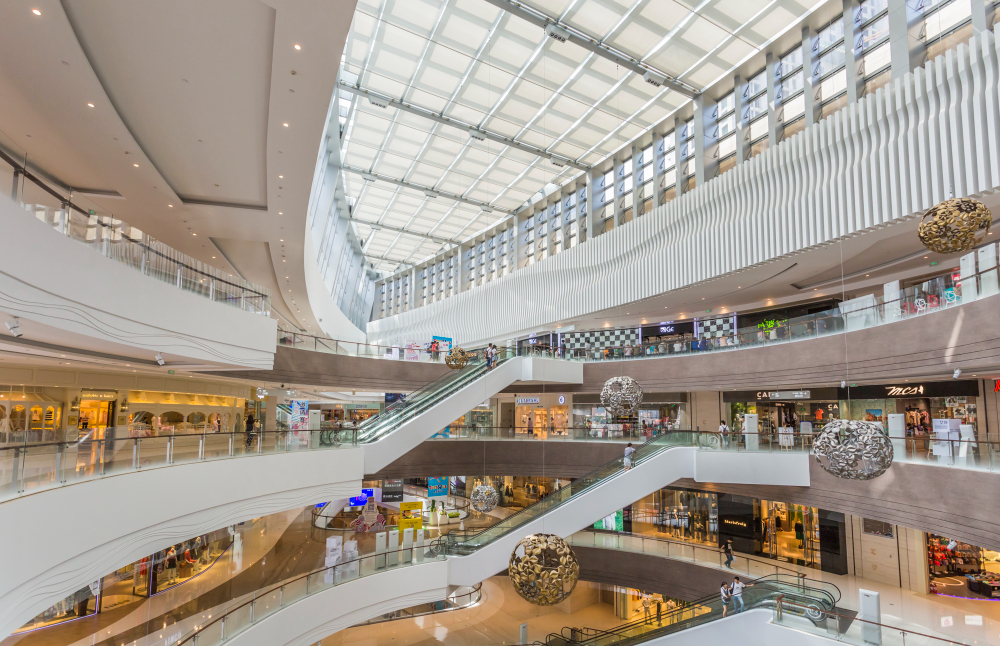
Bangladesh’s retail environment is undergoing a structural transformation. What was once dominated by informal markets and standalone shops is gradually moving toward organized retail formats. Even small business owners are now conscious about branding and willing to provide a premium service and experience to their customers.
At the center of this shift is the rise of shopping malls. It’s increasingly viewed not just as commercial spaces, but as high-potential investment assets.
The foundation of mall investment lies in the broader retail sector. Bangladesh’s retail and wholesale market is projected to grow at a 6.5% CAGR between 2026 and 2032. It’s driven by rising incomes, urbanization, and improved infrastructure.
At the same time, consumer demand is expanding rapidly. According to HSBC Global Research, Bangladesh is expected to be the ninth-largest consumer market globally by 2030, leaving behind the United Kingdom and Germany!
This sustained consumption growth creates a reliable demand base for organized retail. By design, shopping malls are the most efficient way to capture and monetize the demand significantly.
A key structural driver is the rise of the middle-income population. Bangladesh now has a middle class of over 40 million people with increasing purchasing power and aspirational consumption habits. This segment is brand-conscious, experience-driven and willing to pay premiums for convenience and quality.
Shopping malls directly facilitate these preferences by combining retail, entertainment, and dining in one location. This makes them more than just shopping venues. They become lifestyle destinations.
Despite its growth, Bangladesh’s retail market is still largely unorganized. Organized retail accounts for less than 1% of the total market. This gap represents a massive advantage for investors.
Shopping centers are a core part of this “organized retail” transition. They offer:
As consumer behavior changes, the shift towards organized formats is inevitable. Early investments in malls can make investors capture this long-term transition. At Rangs Properties Limited, some iconic commercial spaces will be launched soon. So, head to their website to check out their ongoing, upcoming and completed projects.
Commercial spaces like large shopping malls demand significantly higher safety standards and construction quality compared to residential or small retail properties. These developments must comply with strict requirements related to fire safety, structural integrity, electrical systems, and crowd management.
Poor construction or compromised safety standards can lead to operational risks, reputational damage and even legal complications. So, for investors, this is not just a regulatory necessity. It directly impacts asset durability, renter confidence and long-term returns.
This is where established developers like Rangs Properties Limited play a critical role. Legacy companies bring proven expertise, access to superior building materials, and adherence to international construction benchmarks. Their involvement reduces execution risk and ensures that projects are built to last.
Urbanization is another critical factor. Cities like Dhaka and Chattogram are expanding rapidly with growing demand for structured retail environments.
Government policies are also supporting this shift through infrastructure development, retail-friendly regulations, investment incentives.
According to industry reports, infrastructure improvements and policy support are key drivers accelerating retail expansion in Bangladesh. New developments like large-scale malls and mixed-use projects are emerging as anchors of urban commercial ecosystems.
Unlike traditional retail properties, shopping complexes generate income through diversified channels, such as:
Large malls like Jamuna Future Park, with over 4.1 million square feet of space and 500+ stores, gives us an impression of the potential scale and monetization power of such assets. This diversification reduces risk and enhances long-term stability. This makes malls attractive for institutional investors.
Global and premium brands are increasingly entering Bangladesh’s retail ecosystem. Their expansion depends heavily on mall infrastructure. Shopping premises provide standardized retail environments, brand visibility and high footfall locations. This creates a rewarding cycle:
As noted in industry analysis, the influx of international brands is expected to further accelerate retail sector growth.
Modern malls are no longer just shopping centers. They are integrated lifestyle destinations. They combine cinemas, food courts, family entertainment, events and social spaces.
In a market like Bangladesh where mall visits are still partly aspirational, this experiential layer becomes a major demand driver. Even today, many consumers treat mall visits as occasional but premium experiences which reinforces their positioning as high-value destinations.
For investors, this means stronger footfall and longer dwell time, both of which directly impact revenue.
Compared to regional markets, Bangladesh is still underpenetrated in terms of mall density and organized retail. For context, new malls like Centrepoint (opened 2024 with ~960,000 sq. ft.) show continued expansion. Plus, the number of malls is increasing steadily across major cities.
This indicates a classic early-stage investment cycle:
Early entrants stand to benefit the most as the market matures.
Shopping malls in Bangladesh are no longer just real estate projects. They are becoming strategic consumption hubs aligned with the country’s economic trajectory. Driven by rising incomes, urban expansion, growth of organized retail and changing consumer behavior, malls are evolving into high-return, future-ready investment assets.
For investors looking at long-term profit in Bangladesh’s real estate and retail sectors, you should be convinced by now that shopping malls offer a compelling mix of scalability, stability, and growth potential.

There are vast differences between today’s Dhaka and the Dhaka of thirty years ago. Presently, there is hardly any greenery to be seen. It is within this concrete jungle that Rangs Properties Limited (RPL) has been trying to provide avant-garde architecture and neo-modern buildings which provide glimpses of greenery in their residential buildings or commercial complexes.
RPL has been at the forefront of both commercial and residential real estate for more than two decades. The company has built more than 200 projects in more than 35 locations in the capital city, including, but not limited to, Gulshan, Banani, Dhanmondi, Baridhara, Uttara, Bashundhara, Lalmatia, Mohakhali, Mirpur, and many more. Chances are, on any major commercial road in Dhaka city that you pass by, be it Dhanmondi 27 or Gulshan Avenue, you will see a Rangs project.
Rangs Properties Limited, a RANCON company, officially started its journey in the 90’s, with its first buildings in Uttara, Gulshan, and Banani. Its flagship project, Rangs Waterfront, the first condominium complex in Bangladesh, was handed over in 2003. Rangs Properties entered into commercial spaces around the same time. When Rangs Anam Plaza was handed over in 2004, it completely changed the sphere of commercial real estate in Dhanmondi. After this, multiple commercial projects were handed over in premium locations, such as Rangs Babylonia, FC Square, Eminence, Fortune Square, etc.
Since its inception, Rangs Properties has been steering its way with the core purpose of bringing forth a revolution in design thinking and contemporary architecture in Bangladesh. With well-solved, inclusive and integrated designs, and technology-driven construction compliant with the national building code, a new dimension in innovation and design excellence has been the core philosophy of RPL.
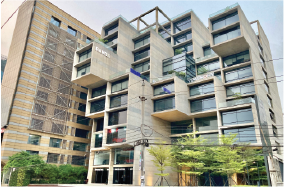
RPL has been continuously providing elegant residences. Rangs Diorama, currently under construction in Gulshan 2, is a residence that provides a truly opulent lifestyle where every corner spells excellence. They have also been continuously coming up with new innovations. For the first time in Bangladesh, RPL has introduced the concept of studio apartments. A kind of apartment that is popular in Western countries, these approximately 670 sq ft apartments present at Rangs Courtyard, Bashundhara, are fully furnished and fully equipped with all modern amenities. These apartments are perfect for a busy lifestyle as they are compact as well as convenient. People can go and see for themselves what a studio apartment at Rangs Courtyard would look like by visiting its experience center.
RPL is also providing affordable condominiums without compromising on Rangs Torukabbo a residential complex that harkens back to the roots of community living. Located in Begum Rokeya Sharani, one can receive the best amenities for their whole family, including a playground, open lawn, badminton court, swimming pool, and state-of-the-art fitness center. RPL also has an experience center here where one can go see for themselves what it would be like to live at Torukabbo.
RPL’s newest high-rise residence at Shahjadpur, situated right on the lake, will provide its residents with panoramic views from all sides. It reflects all the RPL values of providing exceptional lifestyles and being green. This residence will have a tennis court, infinity pool, functional rooftop, five-star gym, lounge area, and more. Several signature projects are also currently under construction in various parts of Uttara.
Being green is one of RPL’s core philosophies. The company is constantly carrying out research and trying out various creative and sustainable solutions. Every step of the process, from construction to completion aims to be sustainable. During construction, there is a green fence around the site made up of local species of plants, which brings a breath of fresh air to the surroundings. These fences are also reusable as they are reinstalled in other projects once construction is finished. As well as green fences, vertical greens, and green landscaping are used throughout their buildings, all of which reduce the internal temperatures of the buildings. In addition, Its buildings have solar panels and use rainwater harvesting technology. RPL has been recognized at the Bangladesh Innovation Award 2021 for its green initiatives.
RPL has been at the forefront of real estate in Dhaka city for more than two decades and will continue to lead the way with innovative solutions and unparalleled designs for creating exceptional lifestyles. It is famous in the industry for delivering what it promises, and while doing so, has successfully redefined the city’s real estate scene.

প্রথম আলো: আবাসন খাতে অনেকেই ব্যবসা করছে। কিন্তু ব্র্যান্ড হতে পেরেছে আপনাদের মতো কয়েকটি প্রতিষ্ঠান। এই সাফল্যের মূলমন্ত্র কী?
মাশিদ রহমান: সাফল্যের থেকেও বড় বিষয় হচ্ছে এটি একটি দীর্ঘ যাত্রা। এই যাত্রার মধ্যে অনেক চড়াই-উতরাই আছে। তা ছাড়া আবাসন খাতে টিকে থাকাটা খুবই গুরুত্বপূর্ণ। সেই টিকে থাকাটা কেবল নামে নয়। কারণ, দিন শেষে অধিকাংশ মানুষ তাঁদের সারা জীবনের সঞ্চয় আবাসনে বিনিয়োগ করেন। ফলে আস্থার বিষয়টি গুরুত্বপূর্ণ। আমরা আমাদের দীর্ঘ পথচলায় ক্রেতাদের আস্থার জায়গায় পৌঁছাতে পেরেছি। তা ছাড়া আধুনিক নকশা ও উদ্ভাবনে সব সময়ই আমরা জোর দিয়ে থাকি। ব্যবহার উপযোগিতার সঙ্গে দেখার (লুক) ব্যাপারটি আমাদের কাছে খুব গুরুত্বপূর্ণ। সব মিলিয়ে মানের বিষয়ে আপস না করা, প্রতিশ্রুতি অনুযায়ী সরবরাহ ও মানুষের নির্ভরতার কারণে র্যাংগস প্রপার্টিজ লিমিটেড একটি উচ্চতায় পৌঁছেছে।
প্রথম আলো: রিহ্যাবের এক হাজার সদস্যের অধিকাংশই ঢাকাকেন্দ্রিক ব্যবসা করছে। তাতে জমি ও ফ্ল্যাটের দাম বেড়ে যাচ্ছে। ক্রেতারা ক্ষতিগ্রস্ত হচ্ছেন। এখানে নতুন করে চিন্তাভাবনার সুযোগ আছে কি?
মাশিদ রহমান: ভালো পয়েন্ট। তবে অসুস্থ প্রতিযোগিতা বড় প্রতিষ্ঠানকে স্পর্শ করে না। ছোট কোম্পানির বিষয়ে মানুষের একধরনের নেতিবাচক অভিজ্ঞতা হয়ে গেছে। অনেক ছোট কোম্পানি ফ্ল্যাট না বুঝিয়ে দিয়ে গায়েব হয়ে গেছে। অনেকেই লোকসান গুনেছেন। জমির মালিকেরা এখন আর দুটো টাকা পাওয়ার জন্য যেনতেন কোম্পানির কাছে দেন না। দিন বদলেছে। তারপরও বলব, বাজারে অসুস্থ প্রতিযোগিতা আছে। বিশেষ করে ছোট কোম্পানিগুলোর মধ্যে সেই প্রতিযোগিতা চলছে। জমি ক্রয়-বিক্রয়েও অসুস্থ প্রতিযোগিতা আছে। এটি নিরসনে সরকারের সহযোগিতা লাগবে। বর্তমানে পূর্বাচল, বসিলা, কেরানীগঞ্জের দিকে ঢাকা সম্প্রসারিত হয়েছে। সেখানকার যাতায়াতব্যবস্থা উন্নত করার পাশাপাশি ভালো স্কুল, কলেজ ও হাসপাতাল করার জন্য সরকারকে কার্যকর উদ্যোগ নিতে হবে। তবে তা না করে সরকারের প্রতিষ্ঠান নিজেই ব্যবসায় নেমে গেছে। রাজধানী উন্নয়ন কর্তৃপক্ষের (রাজউক) পূর্বাচল নতুন শহর প্রকল্প কার্যত ব্যর্থ। এটি সফল করার সহজ সমাধান আছে। ৩০০ ফুট সড়কের দুই পাশে ইউলুপ করে দিতে হবে, যাতে বসুন্ধরা ও পূর্বাচল থেকে সহজে প্রবেশ ও বের হওয়া যায়। তা ছাড়া দেশের সেরা ১০টি স্কুলকে পূর্বাচলে শাখার করার অনুমতি দিতে হবে। একই সঙ্গে হাসপাতাল ও বিশ্ববিদ্যালয় লাগবে। উত্তরা মডেল স্কুল ও স্কলাসটিকা উত্তরায় বসতি গড়ে ওঠার পেছনে বড় ভূমিকা রেখেছিল। ঢাকার প্রাণকেন্দ্রে চাপ কমাতে হলে আশপাশের এলাকায় যাওয়া ছাড়া আর কোনো বিকল্প পথ খোলা নেই।
র্যাংগসের বাণিজ্যিক প্রকল্প। গুলশান তেজগাঁও লিংক রোডে। ছবি: প্রথম আলোপ্রথম আলো: আবাসন খাতে অনেকেই ব্যবসা করছে। কিন্তু ব্র্যান্ড হতে পেরেছে আপনাদের মতো কয়েকটি প্রতিষ্ঠান। এই সাফল্যের মূলমন্ত্র কী?
মাশিদ রহমান: সাফল্যের থেকেও বড় বিষয় হচ্ছে এটি একটি দীর্ঘ যাত্রা। এই যাত্রার মধ্যে অনেক চড়াই-উতরাই আছে। তা ছাড়া আবাসন খাতে টিকে থাকাটা খুবই গুরুত্বপূর্ণ। সেই টিকে থাকাটা কেবল নামে নয়। কারণ, দিন শেষে অধিকাংশ মানুষ তাঁদের সারা জীবনের সঞ্চয় আবাসনে বিনিয়োগ করেন। ফলে আস্থার বিষয়টি গুরুত্বপূর্ণ। আমরা আমাদের দীর্ঘ পথচলায় ক্রেতাদের আস্থার জায়গায় পৌঁছাতে পেরেছি। তা ছাড়া আধুনিক নকশা ও উদ্ভাবনে সব সময়ই আমরা জোর দিয়ে থাকি। ব্যবহার উপযোগিতার সঙ্গে দেখার (লুক) ব্যাপারটি আমাদের কাছে খুব গুরুত্বপূর্ণ। সব মিলিয়ে মানের বিষয়ে আপস না করা, প্রতিশ্রুতি অনুযায়ী সরবরাহ ও মানুষের নির্ভরতার কারণে র্যাংগস প্রপার্টিজ লিমিটেড একটি উচ্চতায় পৌঁছেছে।
প্রথম আলো: রিহ্যাবের এক হাজার সদস্যের অধিকাংশই ঢাকাকেন্দ্রিক ব্যবসা করছে। তাতে জমি ও ফ্ল্যাটের দাম বেড়ে যাচ্ছে। ক্রেতারা ক্ষতিগ্রস্ত হচ্ছেন। এখানে নতুন করে চিন্তাভাবনার সুযোগ আছে কি?
মাশিদ রহমান: ভালো পয়েন্ট। তবে অসুস্থ প্রতিযোগিতা বড় প্রতিষ্ঠানকে স্পর্শ করে না। ছোট কোম্পানির বিষয়ে মানুষের একধরনের নেতিবাচক অভিজ্ঞতা হয়ে গেছে। অনেক ছোট কোম্পানি ফ্ল্যাট না বুঝিয়ে দিয়ে গায়েব হয়ে গেছে। অনেকেই লোকসান গুনেছেন। জমির মালিকেরা এখন আর দুটো টাকা পাওয়ার জন্য যেনতেন কোম্পানির কাছে দেন না। দিন বদলেছে। তারপরও বলব, বাজারে অসুস্থ প্রতিযোগিতা আছে। বিশেষ করে ছোট কোম্পানিগুলোর মধ্যে সেই প্রতিযোগিতা চলছে। জমি ক্রয়-বিক্রয়েও অসুস্থ প্রতিযোগিতা আছে। এটি নিরসনে সরকারের সহযোগিতা লাগবে। বর্তমানে পূর্বাচল, বসিলা, কেরানীগঞ্জের দিকে ঢাকা সম্প্রসারিত হয়েছে। সেখানকার যাতায়াতব্যবস্থা উন্নত করার পাশাপাশি ভালো স্কুল, কলেজ ও হাসপাতাল করার জন্য সরকারকে কার্যকর উদ্যোগ নিতে হবে। তবে তা না করে সরকারের প্রতিষ্ঠান নিজেই ব্যবসায় নেমে গেছে। রাজধানী উন্নয়ন কর্তৃপক্ষের (রাজউক) পূর্বাচল নতুন শহর প্রকল্প কার্যত ব্যর্থ। এটি সফল করার সহজ সমাধান আছে। ৩০০ ফুট সড়কের দুই পাশে ইউলুপ করে দিতে হবে, যাতে বসুন্ধরা ও পূর্বাচল থেকে সহজে প্রবেশ ও বের হওয়া যায়। তা ছাড়া দেশের সেরা ১০টি স্কুলকে পূর্বাচলে শাখার করার অনুমতি দিতে হবে। একই সঙ্গে হাসপাতাল ও বিশ্ববিদ্যালয় লাগবে। উত্তরা মডেল স্কুল ও স্কলাসটিকা উত্তরায় বসতি গড়ে ওঠার পেছনে বড় ভূমিকা রেখেছিল। ঢাকার প্রাণকেন্দ্রে চাপ কমাতে হলে আশপাশের এলাকায় যাওয়া ছাড়া আর কোনো বিকল্প পথ খোলা নেই।
প্রথম আলো:আগে স্কুল-কলেজ-বিশ্ববিদ্যালয় ও হাসপাতাল হবে, নাকি আগে আবাসন প্রকল্প করতে হবে?
মাশিদ রহমান: ভালো স্কুল, কলেজ ও হাসপাতাল মানুষকে টানবে। বাজার সৃষ্টি হবে। চিন্তা করে দেখেন, মানুষ কেন সিদ্ধেশ্বরীর দিকে থাকে? কারণ, সেখানে কয়েকটি সেরা স্কুল আছে। তা ছাড়া পাশেই সচিবালয়, ঢাকা বিশ্ববিদ্যালয় ও ঢাকা মেডিকেল কলেজ। আসল কথা হচ্ছে ঢাকাকে ছড়িয়ে দিতে হবে। সে জন্য অবকাঠামো দরকার। তাতে দাম হয়তো খুব একটা কমবে না, কিন্তু মানুষের জীবনযাত্রা আরামদায়ক হবে।
প্রথম আলো:তাহলে কি সাশ্রয়ী দামে ফ্ল্যাট দেওয়া সম্ভব নয়?
মাশিদ রহমান: আমাদের মতো দেশে কম দামে আবাসন সম্ভব নয়। তবে সাধ্যের মধ্যে আবাসন দেওয়া সম্ভব। সে জন্য মানুষকে ঢাকার আশপাশের এলাকায় নিয়ে যেতে হবে। সে জন্য কিছু প্রণোদনা লাগবে। ঢাকায় এখনো কিছু জায়গা আছে, যেখানে প্রকল্প করলে ৫০ লাখ টাকায় ১ হাজার বর্গফুটের ফ্ল্যাট দেওয়া সম্ভব। তবে সেখানে মানুষকে নিতে হলে ভালো স্কুল করে দিতে হবে। আবার বড় প্রকল্প করা গেলেও দাম কমে যায়। তবে সে ধরনের আবাসন প্রকল্প করার সক্ষমতা আছে মাত্র ছয়-সাতটি প্রতিষ্ঠানের। ৯৮ শতাংশ প্রতিষ্ঠানই বছরে তিনটি প্রকল্প করে। সেটিও আবার পাঁচ কাঠার। বড় প্রকল্প করতে হলে ৬০ কাঠার মতো জমি লাগবে। রিহ্যাবের তরফ থেকে রাজউকের কাছে কয়েক দফা প্রস্তাব দেওয়া হয়েছে, ‘সাশ্রয়ী মূল্যে বড় জমি দেন। আমরা বেসরকারি আবাসন প্রতিষ্ঠানগুলো ফ্ল্যাট নির্মাণ করে দিই।’ এমনটি হলে সাধারণ মানুষকে সাধ্যের মধ্যে ফ্ল্যাট দেওয়া সম্ভব। কারণ, জমির উচ্চ মূল্যের কারণেই ফ্ল্যাটের দাম যায় বেড়ে।
প্রথম আলো: রাজউক তো কয়েকটি ফ্ল্যাট প্রকল্প করেছে। সেই ফ্ল্যাট কি স্বল্প আয়ের মানুষ কিনতে পেরেছেন?
মাশিদ রহমান: রাজউক নিজে না করে যদি বেসরকারি আবাসন প্রতিষ্ঠানকে দিত, তাহলে অনেক বেশি কাজে দিত। সে ক্ষেত্রে যেনতেন কোম্পানি নয়, শীর্ষ প্রতিষ্ঠানকে কাজ দিতে হবে। রাজউক যে জায়গায় প্রকল্প করেছে, সেই জমি হয়তো তারা বিনা মূল্যে পেয়েছে। সেটি হলে আমরা তাদের সঙ্গে প্রতিযোগিতা করতে পারব না। নীতিনির্ধারক যদি ব্যবসায় নামে, তাহলে আমরা তো টিকে থাকতে পারব না।
প্রথম আলো: বাংলাদেশ ব্যাংক সম্প্রতি গৃহঋণের সীমা ১ কোটি ২০ লাখ টাকা থেকে বাড়িয়ে ২ কোটি টাকা করেছে। তাতে কি সাধারণ মানুষ উপকৃত হবেন?
মাশিদ রহমান: ব্যাংকঋণের সুদের হার ১২-১৪ শতাংশ। অধিকাংশ ক্রেতাই ফ্ল্যাট চায় ১ কোটি টাকার নিচে। তাই সাধারণ মানুষের উপকার করতে হলে সুদের হার হ্রাস করতে হবে। সে ক্ষেত্রে বাংলাদেশ ব্যাংক স্বল্প আয়ের মানুষের জন্য ৮ শতাংশ সুদহার নির্দিষ্ট করে দিতে পারে। কারা স্বল্প আয়ের মানুষ, সেটি নির্ধারণ করাও সহজ। যেহেতু তারা সাধারণত ছোট আকারের ফ্ল্যাট কেনে, তাই ১ হাজার ২০০ বর্গফুট পর্যন্ত ফ্ল্যাট কেনার ক্ষেত্রে ৮ শতাংশ সুদহার করা যেতে পারে। অন্যদিকে আবাসন ব্যবসায়ীদের ব্যাংকঋণের সুদের হার ১০ শতাংশে নামিয়ে আনতে হবে। এটি হলে ছোট ফ্ল্যাটের চাহিদা বাড়বে। পাশাপাশি কোম্পানিগুলোও ছোট ও সাশ্রয়ী দামের ফ্ল্যাট করতে উৎসাহিত হবে।
সাক্ষাৎকার নিয়েছেন: শুভংকর কর্মকার
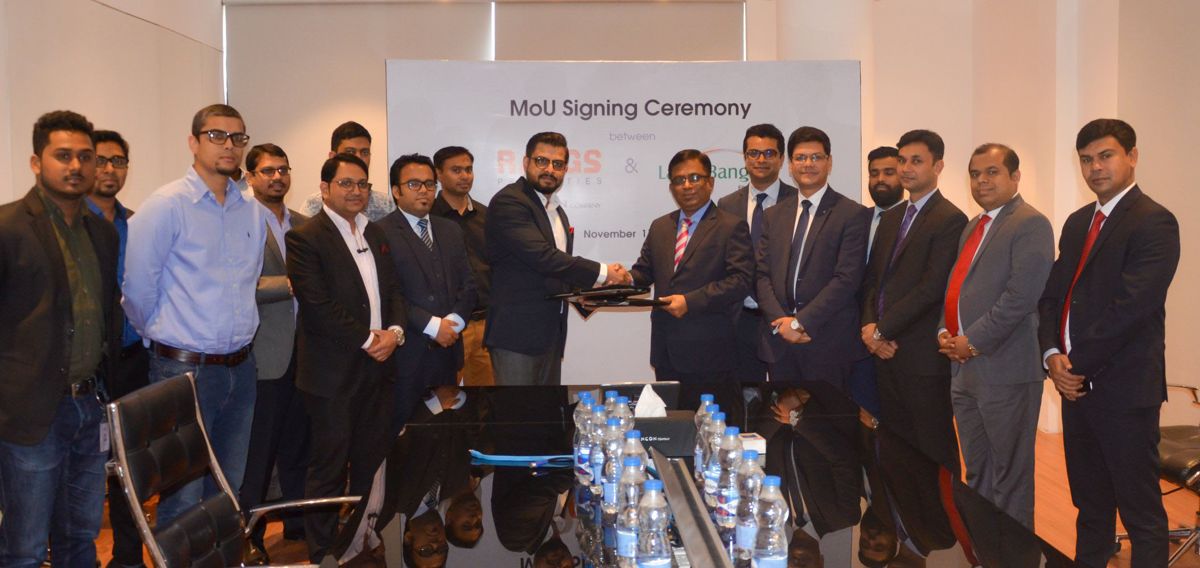
Rangs Properties Limited has recently launched a new campaign called ‘Poytrishe Pochashi’ in the REHAB fair where they are offering easy home loan solutions where one has a chance to pay BDT 35,000 per month and get the apartment key only in thirty six months. The project is located in Bashundhara link road, adjacent to Apollo hospital, Bashundhara. The Real Estate and Housing Association of Bangladesh (REHAB) has organised the five-day fair at the Bangabandhu International Conference Center at Sher-e-Bangla Nagar where Rangs Properties has participated this year as a co-sponsor. The apartment is designed by Inspace Architects Limited, which is known to be one of the most eminent architecture firms within the country. The overall area of this property will comprise 18.34 katha land offering 80 apartment units ranging between 1318 to 1325 sft. Apart from the above mentioned facilities, this project also bears the luxurious signature amenities of Rangs Properties like the life size swimming pool, a club lounge and also a gymnasium to suit and address to the ease of the residents .In the five day fair Rangs properties is also highlighting high end commercial and residential projects to cater to different customer segments respectively. Different financing options are also on the from Rangs Properties.
215, Bir Uttam Mir Shawkat Sarak Road,
Tejgaon I/A, Dhaka-1208
096 17 123 123(Sales Hotline)
02 88 333 23 (Customer Service)
info@rangsproperties.com
© Copyright 2026 - Rangs Properties Ltd
