


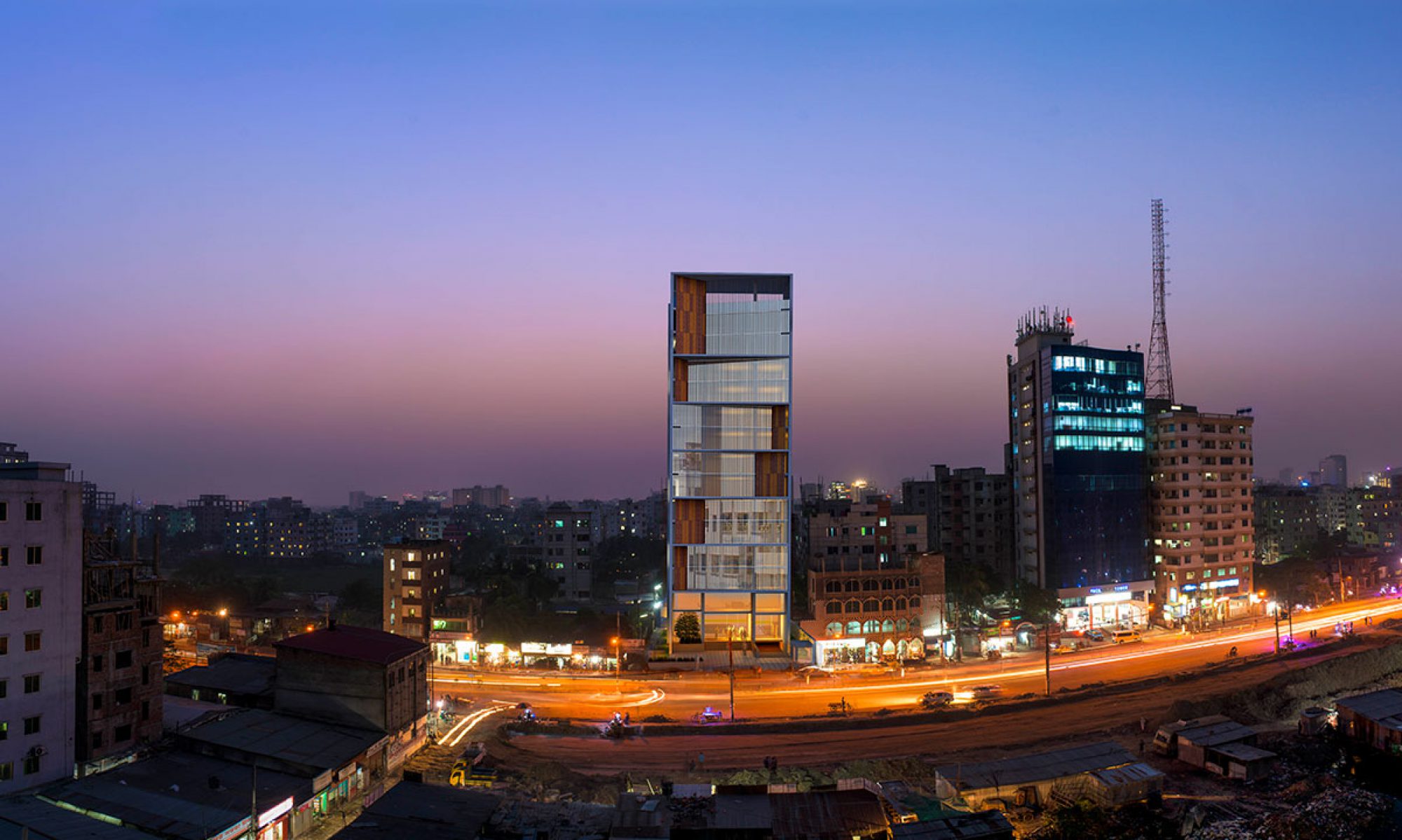
Most people spend more time researching a smartphone than they spend vetting the company they are about to hand several lakhs, sometimes crores of taka to. That’s not a judgment. It’s just a pattern that shows up again and again in Bangladesh’s property market and the consequences are rarely small.
Picking the wrong developer doesn’t usually announce itself upfront. It announces itself two years later when your flat still doesn’t have a handover date, or when the documentation your company handed you turns out to have a mutation problem nobody mentioned during the sales pitch.
According to Supreme Court data, 24,403 arbitration applications linked to apartment and plot disputes were pending as of October 2024, with claims worth approximately BDT 19,630 crore. Dhaka alone accounts for 17,308 of those cases. That’s the industry’s quiet reality. Now here’s how you navigate it.
There’s a version of this conversation that starts with “check the portfolio” or “visit the model apartment.” That version is incomplete.
The first thing to verify is whether the developer is properly incorporated with the Registrar of Joint Stock Companies (RJSC) and holds REHAB membership. REHAB (Real Estate and Housing Association of Bangladesh) was founded in 1991 and currently has around 891 members as of 2024. Government circulars now mandate REHAB registration for developers operating in the country. Companies operating without it aren’t just cutting corners. They’re operating outside the framework that gives you recourse if things go wrong.
Also check if the project has RAJUK approval. In Dhaka, a developer cannot legally sell apartments without design approval from the appropriate authority. If that paperwork isn’t in order at the time you’re signing, no amount of goodwill from the sales team covers the gap.
Every real estate company in Bangladesh has a brochure. The brochure will look excellent. The question is what happened after the keys were supposed to change hands.
Ask for a list of completed projects and actually look them up. Talk to people who bought in those buildings. How close was the final handover date to the promised one? Did the quality match what was shown in the marketing material? Were there post-handover construction defects, if so, how did the company handle them? It’s a good idea to go through these difficult questions early on.
Industry surveys suggest that approximately 28% of real estate projects in Dhaka experience handover delays. That’s not a fringe problem. When a company has a strong and consistent record of on-time delivery, that tells you something concrete about how they manage their finances, their contractors, and their commitments.
Under Bangladesh’s Real Estate Development and Management Act 2010, developers are required to compensate buyers for delayed handovers. If the agreement doesn’t specify a penalty rate, the Act defaults to 15% annual simple interest on the deposited amount for the duration of the delay.
That protection only works if your agreement is structured properly, and that requires a lawyer, not just a sales manager walking you through it.
Make sure the agreement clearly covers the project approval and registration number, the exact handover timeline with a penalty clause, the specifications for size and common facilities (which a developer cannot change without written buyer consent) and what happens if either party defaults.
The buyers who end up in arbitration for years are often the ones who signed a vague agreement because the mood in the room felt trustworthy.
Here’s the part most buyers overlook. A real estate project in Bangladesh is typically a multi-year commitment. The developer needs to remain financially solvent through that entire construction cycle through rising steel prices, construction delays, currency fluctuations and whatever else the market decides to throw at that timeline.
A company with decades of continuous operation and multiple delivered projects across different market cycles has already proven it can survive disruption. A newer company, regardless of how impressive the renders look, hasn’t been tested in the same way.
Well-located residential properties in Dhaka have shown 6–8% average annual capital appreciation, with rental yields typically between 3–5% depending on location and developer reputation. That return is predicated on the project actually being completed and documented correctly. An experienced developer isn’t just a nice-to-have. It’s part of what makes the investment math hold.
For buyers evaluating where a company actually builds and what they’ve delivered across different areas of the city, reviewing a developer’s completed and ongoing project portfolio gives a grounded reference point that goes well beyond what a sales deck shows.
Walking through a model apartment tells you about finishes. It doesn’t tell you about structural integrity, waterproofing quality, drainage planning or whether the building will age well.
Ask specifically:
What grade of materials are used in the structural frame?
What is the construction supervision process? Is it in-house or subcontracted?
Does the company carry liability for post-handover defects and for how long?
Reputable developers will answer these questions without irritation. The ones who pivot back to the kitchen countertops are telling you something.
After-sales service is where reputations are actually built. Plenty of developers deliver on time and then disappear. The real test is what happens six months after you’ve moved in? When the plumbing needs attention, or the generator is running into issues. Ask current residents in that company’s buildings instead of prospective buyers at an expo stall.
The best real estate companies in Bangladesh have structured after-sales teams, documented complaint processes and a clear service period after handover. That’s not a luxury feature. It’s a sign that the company is thinking beyond the transaction.
Bangladesh’s real estate sector contributes approximately 7-8% to GDP and supports over a million direct and indirect jobs. It’s a real industry with real developers doing serious work. But it also has enough bad actors and enough regulatory gaps that buyer vigilance isn’t paranoia. It’s just the minimum required.
Choose the documentation. Choose a track record. Choose transparency when you ask the hard questions. The right company won’t flinch at any of it.
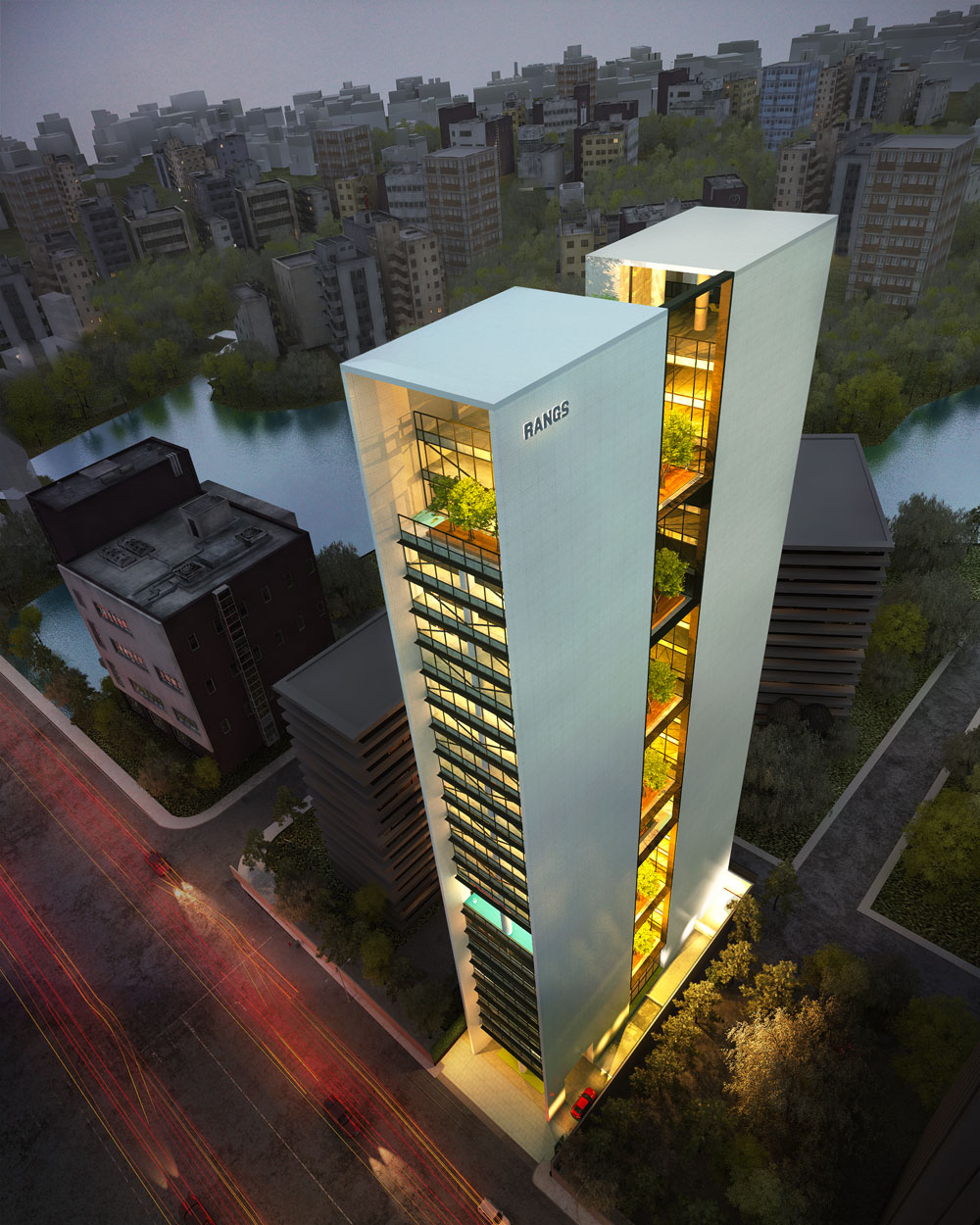
As Bangladesh’s economy grows and the number of affluent households increases, the demand for premium residences continues to rise. Today’s luxury buildings are no longer defined solely by location or apartment size. They are increasingly distinguished by architecture, privacy, amenities, construction quality, and lifestyle offerings.
From infinity pools overlooking Gulshan to boutique residences with only one apartment per floor, Dhaka’s luxury residential market has evolved significantly over the past decade.
Here are ten of the most notable luxury residential buildings and developments that represent the pinnacle of upscale living in Dhaka.
Developed by Rangs Properties Limited, Toruneer is a premium residential development that reflects the growing demand for sophisticated urban living in Dhaka. Located in Uttara, one of the city’s most prestigious residential neighborhoods, the project combines contemporary architecture with thoughtfully designed living spaces to create an elevated lifestyle experience.
Toruneer is designed for homeowners who value privacy, comfort, and convenience. The project emphasizes efficient layouts, abundant natural light, quality construction materials, and modern design elements that cater to the expectations of today’s discerning residents. Its strategic location also provides easy access to business districts, international schools, healthcare facilities, restaurants, and lifestyle destinations.
Beyond the apartments themselves, the development focuses on creating a comfortable and secure living environment where residents can enjoy both tranquility and connectivity. This balance has become increasingly important as luxury homebuyers seek properties that enhance their quality of life while maintaining long-term value.
Highlights:
Developed by Eastern Housing Limited, The Statesman has become one of the most architecturally celebrated residential buildings in Dhaka.
What makes it special is its exclusivity. The project consists of only eight residences, each spanning approximately 4,000 square feet. The building was also featured in the architectural publication ARCASIA for its design excellence.
Highlights:
Located on Road 54 in North Gulshan, Concord Taj is designed for residents seeking maximum privacy and luxury.
Each apartment occupies an entire floor of approximately 3,350 square feet. The project features an infinity-edge swimming pool, rooftop garden, gym, boutique lobby, and premium security systems.
Highlights:
Developed by Shanta Holdings Ltd., Zephyr represents modern luxury on a grand scale.
The development offers residences ranging from 3,500 to 8,300 square feet, making it one of the most spacious luxury projects in the city. Its park-facing location further enhances its appeal.
Highlights:
Another prestigious project by Shanta Holdings, The Sanctum combines elegant architecture with lifestyle-focused amenities.
The development features luxury residences of approximately 3,950 square feet alongside facilities such as a gym, party room, reception lounge, and outdoor activity spaces.
Highlights:
Developed by Anwar Landmark, Whispering Green is one of the city’s most exclusive upcoming luxury developments.
With residences ranging from approximately 4,800 to over 6,300 square feet and only 19 units in the entire project, it targets ultra-premium buyers seeking privacy and space.
Highlights:
Metropolis 8 is among InnStar’s most iconic luxury projects and one of its tallest residential developments.
The 18-story building combines boutique living with premium facilities and modern architecture, creating a distinctive presence within the Gulshan skyline.
Highlights:
Located in the diplomatic zone of Gulshan, Skyline Residences emphasizes exclusivity and sophisticated urban living.
Designed by renowned architects and surrounded by embassies and elite institutions, the project offers premium residences with luxury finishes and carefully curated amenities.
Highlights:
Developed by Bay Developments Ltd., Orbit Residence demonstrates how luxury is evolving beyond size alone.
The project incorporates green spaces, rooftop gardens, natural lighting, a swimming pool, banquet facilities, and distinctive architectural elements that blend functionality with elegance.
Highlights:
Concord Rahma brings luxury living to one of Dhaka’s most secure and desirable residential neighborhoods.
The development features a single apartment per floor, landscaped rooftop spaces, hotel-style lobby design, and extensive security measures.
Highlights:
The concept of luxury living has evolved considerably. Today’s premium buildings compete not only on location but also on:
Many modern luxury projects now feature one apartment per floor, private lobbies, rooftop amenities, infinity pools and hotel-inspired living experiences which reflect changing preferences among high-net-worth buyers.
Dhaka’s luxury real estate market has matured significantly over the last decade. Developers are increasingly focusing on exclusivity, lifestyle, and world-class design rather than simply building larger apartments.
Whether in Gulshan, Banani, or the diplomatic zones of the city, these developments represent the highest standards of residential living currently available in Bangladesh. As the country’s affluent population continues to grow, the demand for such premium addresses is likely to increase further, making luxury buildings an increasingly important part of Dhaka’s evolving skyline.
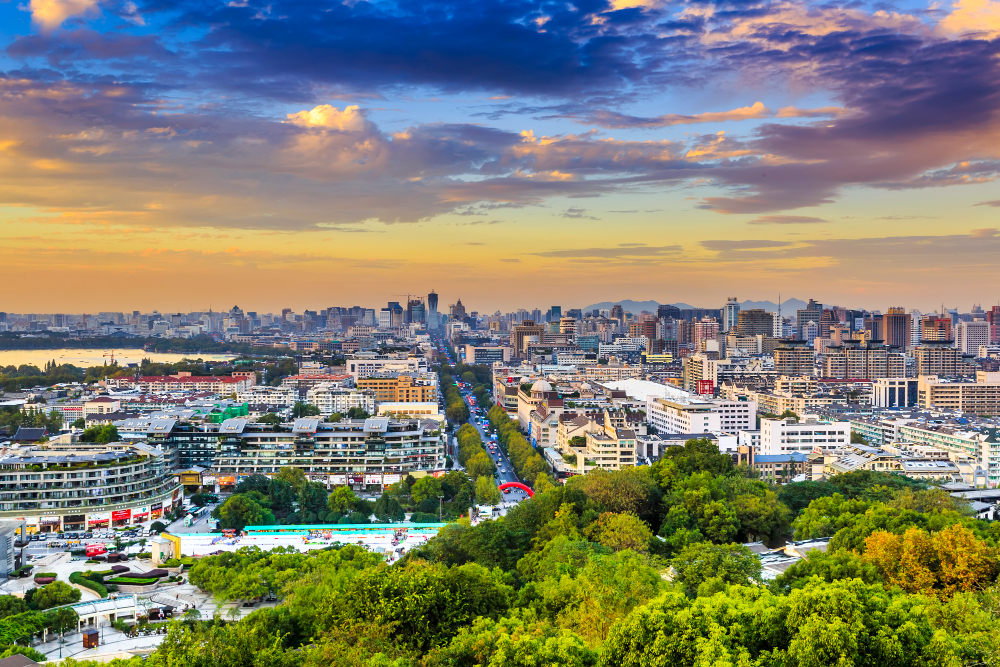
Instead of easing you in, Dhaka will hit you with the density, noise, and unmistakable hunger for vertical space. And somewhere inside all that chaos, money is quietly moving. It slides sideways into concrete, upward into glass facades and outward into planned townships that didn’t exist a decade ago.
The city’s real estate market has held its ground amid currency volatility, surges in construction costs and global headwinds that would have rattled softer markets. Property in high-demand zones like Gulshan and Dhanmondi saw a 15-20% surge in value through 2024-2025 alone. That kind of number can only emerge from a city with over 21 million people and nowhere near enough prime land to go around.
But here’s the part people tend to skip over. Where you invest matters more than what or how much you invest. Not every appreciating neighborhood is a smart bet at every entry point. Some areas have already peaked in terms of accessible returns. Others are only beginning to wake up.
If you’re looking for the ceiling, look at Gulshan. Flats here are currently trading between BDT 15,000 and BDT 36,000 per square foot. That’s not a typo. The embassy presence, the security apparatus, the corporate headquarters, the five-star hotels; all of it compounds into a location premium that doesn’t flinch regardless of what’s happening elsewhere in the economy.
Gulshan-1 and Gulshan-2 each have their own character. North Gulshan commands more than South; a gap that’s been holding for years and shows no sign of closing.
The challenge with Gulshan is exactly what makes it attractive. Entry costs are brutally high here. It’s an area that rewards those who got in early and still rewards those who can afford to get in now, particularly for commercial spaces and long-term rental income. Expecting dramatic capital appreciation from current prices is a different conversation.
Banani sits right next to Gulshan on the map and frankly, in everything else too. Schools, restaurants, corporate offices, security; it checks the same boxes at a marginally lower entry cost, hovering between BDT 15,000 and BDT 19,000 per square foot.
The proximity to the business district makes Banani a consistent performer for rental yield. Professionals, expat tenants and small families keep demand steady regardless of the broader cycle. It’s not as flashy as an investment pitch. It just works, quarter after quarter.
Bashundhara R/A is where serious investors who understand compounding tend to look. Entry prices ranging from BDT 8,000 to BDT 12,000 per square foot put it in a more accessible bracket, but what’s really happening here is a story about infrastructure catch-up.
North South University, IUB, AIUB, and Jamuna Future Park (the largest shopping mall in South Asia) sit right inside this area. Families have been relocating here for years. Road connectivity has improved. The area has a master-planned structure that most of older Dhaka simply doesn’t have.
Bashundhara rewards patience. The investor who buys now and holds for five to seven years is buying into the version of this neighborhood that hasn’t fully arrived yet. That’s usually where the better return lives.
Uttara is divided into numbered sectors. That alone separates it from large portions of Dhaka where organic sprawl has made long-term urban planning nearly impossible. Wide roads, parks, schools, direct access to the airport, and metro rail connectivity have made Uttara one of the most livable planned residential zones in the capital.
Property prices here range from approximately BDT 5,000 to BDT 10,000 per square foot, which remains accessible compared to the Gulshan-Banani belt, which is exactly why middle-income and NRB (Non-Resident Bangladeshi) buyers keep circling back to it. The demand base is broad and real.
For investors considering a diversified Dhaka portfolio, Uttara provides balance: lower entry, steady rental demand, and long-term upside tied directly to metro expansion.
Purbachal is either too early or exactly right, depending on your time horizon. This government-backed satellite city is being developed on a scale that Dhaka’s older neighborhoods physically cannot replicate. Expressway access is real. Development money, both public and private, continues to flow in. Property values have already been climbing at roughly 10% per year in some zones, and that’s before the area is anywhere near complete.
The investors who are winning here are the ones who understand that Purbachal is not a Dhaka-today story. It’s a Dhaka-2030 story. Prices are still in a bracket, starting around BDT 4,500 per square foot. That allows for meaningful appreciation before you’re buying at a premium.
The risk is the timeline. Underdeveloped infrastructure is still a daily reality for residents. But for a pure appreciation play with strong government backing, very few areas in Bangladesh present an equivalent setup right now.
Mirpur gets overlooked in investment conversations because it’s densely populated and not glamorous. Both things are true. What’s also true is that metro rail access has materially changed the commute equation for Mirpur residents, and prices between BDT 5,000 and BDT 10,000 per square foot reflect an area that’s still mid-transition.
Secondary market activity in Mirpur grew 15% in 2024. That’s a strong signal if you are looking to settle in adjacent areas.
Dhaka’s real estate market rewards people who stop waiting for the “perfect entry point” and start making decisions based on real data. The metro rail has already reshuffled the connectivity map. Purbachal and Uttara are being reshaped by government-scale infrastructure investment. Premium zones like Gulshan and Banani are holding their value precisely because land scarcity in those corridors is structural, not cyclical.
Before committing capital anywhere in this market, it helps to see what’s already on the ground, what developers are actually building, where, and at what stage. Reviewing completed and ongoing projects in Dhaka’s key investment zones gives you a grounded view of how supply is actually shaping up across these areas.
The investors who lose in Dhaka’s real estate market usually share one trait. They chased the area’s reputation instead of its fundamentals.
The areas in this piece are worth considering. But worth considering means doing the actual tasks which are walking the streets, verifying developer credibility and understanding the five-year trajectory of the neighborhood, not just the current listing price. The city is loud. The returns are real. The work is yours to do.
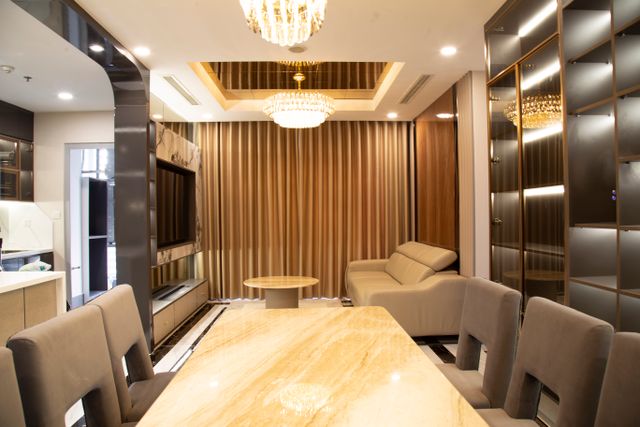
Luxury living in Bangladesh is not for the urban elite anymore. It is expanding alongside the country’s economic growth and rising income levels.
Over the past decade, Bangladesh has maintained an average GDP growth rate of around 6–7% annually, according to the World Bank. This growth has translated into higher household incomes, even in rural areas. As a result, it is increasingly common to see two-storey, well-designed homes with modern amenities even outside major urban centers.
Over the past decade, there has been a noticeable rise in the number of real estate developers and interior design firms across the country.
At the same time, consumer preferences have evolved. Homebuyers today are far more informed and exposed to global design trends through digital platforms. This has led to:
More importantly, there is a clear mindset shift. People are increasingly prioritizing comfort, quality, and long-term living experience over simply minimizing cost.
The evolution of luxury living in Bangladesh is closely tied to the rise of its wealthy population. The country is now ranked among the fastest-growing markets for high-net-worth individuals (HNWIs) globally.
According to The Financial Express, Bangladesh is the 3rd fastest growing HNW (concentration of high net-worth individuals) country! The number of rich people in Bangladesh can rise to 11.4% in five years, according to their findings.
This growth is being fueled by expansion of local businesses, rise of entrepreneurs and SME owners and increasing global income through freelancing and remote work.
As this affluent segment expands, so does the demand for premium housing. These buyers are not just looking for shelter. They are looking for status, comfort, privacy, and modern lifestyle features.
This shift is a key reason why luxury living is no longer niche in Bangladesh. It is becoming a rapidly growing and economically backed housing segment.
Earlier, luxury homes were primarily status symbols. Today, they are also seen as strategic investments. The Business Standard reports that, according to Statista Market Insights, the residential real estate market could grow to $3.53 trillion by 2028. These key shifts include:
So, investing in real estate has become both emotional and financial.
Another major shift shaping luxury living in Bangladesh is the rise of short-term rental platforms and flexible living models like Airbnb. For property owners and developers, this opens up a new opportunity. Luxury homes are no longer just residential assets. They can also function as income-generating properties through short-term rentals.
These platforms have redefined how people experience premium spaces. Instead of owning luxury, many consumers now prefer access over ownership, especially for short stays, travel, or lifestyle experiences.
This trend is now very popular as high-end apartments and furnished homes are designed with hotel-like interiors and amenities, flexible rental arrangements and fully serviced living experiences.
Technology has become one of the most defining features of modern luxury. Smart homes are now an expectation. Features like AI-powered home automation and biometric security systems are becoming standard in high-end properties.
According to industry insights, smart home integration is one of the strongest ongoing trends in luxury housing, shaping buyer expectations globally. Luxury today is as much about intelligence and convenience as it is about design.
Earlier, luxury developments often focused on extravagance. Today, the focus is shifting toward responsible and sustainable living.
Besides, creative architects now introduce the need of energy-efficient buildings, eco-friendly materials and green spaces and natural integration. Modern luxury buyers also feel the necessity of it and act on it.
This shift reflects a broader change in mindset. Wealthy buyers are not just looking for comfort. They are looking for long-term livability and environmental responsibility.
Luxury living has also moved beyond traditional city centers. While prime cities remain important, there is growing demand for resort-style living, waterfront properties and nature-integrated homes.
At the same time, urban luxury has evolved vertically. Iconic high-rise developments now combine residences, hotels, retail and entertainment.
According to global real estate insights, this “lifestyle-integrated living” model is becoming central to modern luxury developments.
The perception of luxury living has changed from status to experience. Once, “luxury” used to mean bigger homes, prime addresses, and visible wealth. Now it means a better lifestyle, smarter living, sustainable choices and personalized experiences.
This transformation is ongoing. As wealth, technology, and consumer expectations continue to reshape; luxury living will keep redefining itself. It won’t be defined by how much you own, but by how well you live.
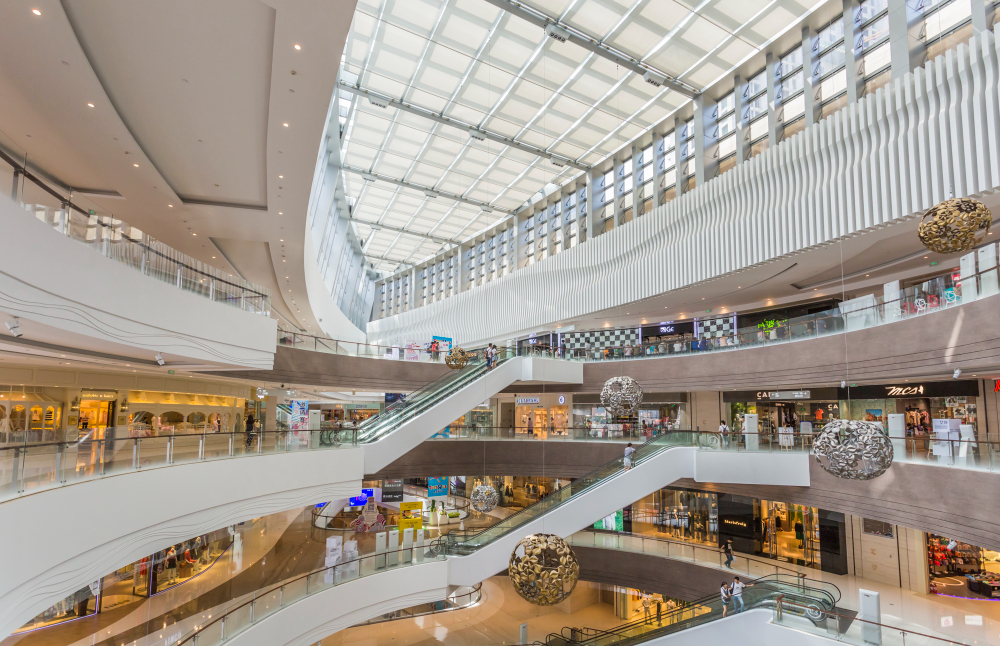
Bangladesh’s retail environment is undergoing a structural transformation. What was once dominated by informal markets and standalone shops is gradually moving toward organized retail formats. Even small business owners are now conscious about branding and willing to provide a premium service and experience to their customers.
At the center of this shift is the rise of shopping malls. It’s increasingly viewed not just as commercial spaces, but as high-potential investment assets.
The foundation of mall investment lies in the broader retail sector. Bangladesh’s retail and wholesale market is projected to grow at a 6.5% CAGR between 2026 and 2032. It’s driven by rising incomes, urbanization, and improved infrastructure.
At the same time, consumer demand is expanding rapidly. According to HSBC Global Research, Bangladesh is expected to be the ninth-largest consumer market globally by 2030, leaving behind the United Kingdom and Germany!
This sustained consumption growth creates a reliable demand base for organized retail. By design, shopping malls are the most efficient way to capture and monetize the demand significantly.
A key structural driver is the rise of the middle-income population. Bangladesh now has a middle class of over 40 million people with increasing purchasing power and aspirational consumption habits. This segment is brand-conscious, experience-driven and willing to pay premiums for convenience and quality.
Shopping malls directly facilitate these preferences by combining retail, entertainment, and dining in one location. This makes them more than just shopping venues. They become lifestyle destinations.
Despite its growth, Bangladesh’s retail market is still largely unorganized. Organized retail accounts for less than 1% of the total market. This gap represents a massive advantage for investors.
Shopping centers are a core part of this “organized retail” transition. They offer:
As consumer behavior changes, the shift towards organized formats is inevitable. Early investments in malls can make investors capture this long-term transition. At Rangs Properties Limited, some iconic commercial spaces will be launched soon. So, head to their website to check out their ongoing, upcoming and completed projects.
Commercial spaces like large shopping malls demand significantly higher safety standards and construction quality compared to residential or small retail properties. These developments must comply with strict requirements related to fire safety, structural integrity, electrical systems, and crowd management.
Poor construction or compromised safety standards can lead to operational risks, reputational damage and even legal complications. So, for investors, this is not just a regulatory necessity. It directly impacts asset durability, renter confidence and long-term returns.
This is where established developers like Rangs Properties Limited play a critical role. Legacy companies bring proven expertise, access to superior building materials, and adherence to international construction benchmarks. Their involvement reduces execution risk and ensures that projects are built to last.
Urbanization is another critical factor. Cities like Dhaka and Chattogram are expanding rapidly with growing demand for structured retail environments.
Government policies are also supporting this shift through infrastructure development, retail-friendly regulations, investment incentives.
According to industry reports, infrastructure improvements and policy support are key drivers accelerating retail expansion in Bangladesh. New developments like large-scale malls and mixed-use projects are emerging as anchors of urban commercial ecosystems.
Unlike traditional retail properties, shopping complexes generate income through diversified channels, such as:
Large malls like Jamuna Future Park, with over 4.1 million square feet of space and 500+ stores, gives us an impression of the potential scale and monetization power of such assets. This diversification reduces risk and enhances long-term stability. This makes malls attractive for institutional investors.
Global and premium brands are increasingly entering Bangladesh’s retail ecosystem. Their expansion depends heavily on mall infrastructure. Shopping premises provide standardized retail environments, brand visibility and high footfall locations. This creates a rewarding cycle:
As noted in industry analysis, the influx of international brands is expected to further accelerate retail sector growth.
Modern malls are no longer just shopping centers. They are integrated lifestyle destinations. They combine cinemas, food courts, family entertainment, events and social spaces.
In a market like Bangladesh where mall visits are still partly aspirational, this experiential layer becomes a major demand driver. Even today, many consumers treat mall visits as occasional but premium experiences which reinforces their positioning as high-value destinations.
For investors, this means stronger footfall and longer dwell time, both of which directly impact revenue.
Compared to regional markets, Bangladesh is still underpenetrated in terms of mall density and organized retail. For context, new malls like Centrepoint (opened 2024 with ~960,000 sq. ft.) show continued expansion. Plus, the number of malls is increasing steadily across major cities.
This indicates a classic early-stage investment cycle:
Early entrants stand to benefit the most as the market matures.
Shopping malls in Bangladesh are no longer just real estate projects. They are becoming strategic consumption hubs aligned with the country’s economic trajectory. Driven by rising incomes, urban expansion, growth of organized retail and changing consumer behavior, malls are evolving into high-return, future-ready investment assets.
For investors looking at long-term profit in Bangladesh’s real estate and retail sectors, you should be convinced by now that shopping malls offer a compelling mix of scalability, stability, and growth potential.
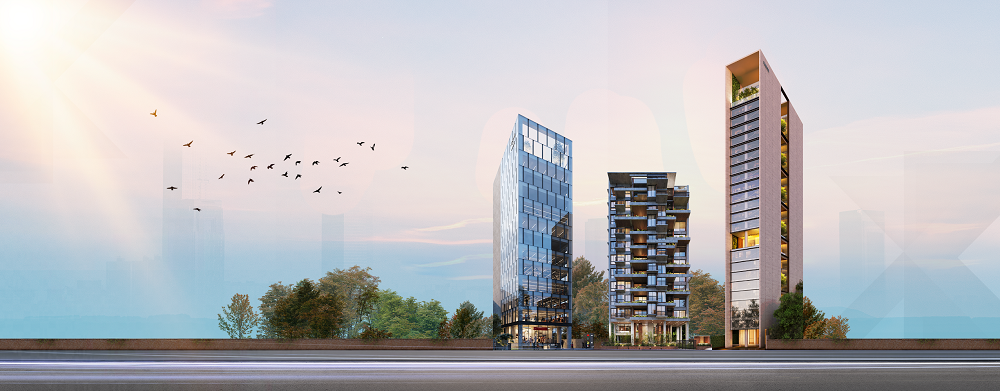
There’s a moment, right before someone signs a property deal in Bangladesh, where everything goes quiet. Not peaceful quiet; suspicious quiet. Because this market has a memory. It remembers delays. It remembers brochures that promised skylines and delivered concrete boxes with cracked edges.
Still, people buy. They always will. Dhaka expands like it refuses to apologize for itself and the demand keeps chewing through hesitation.
So the companies that survive here aren’t just builders. They’re negotiators with chaos. Here’s where things stand right now.
They don’t try to be loud. That’s the first thing you notice. Rangs Properties moves like a firm that knows its buyers are paying attention. Their projects don’t just sit in premium zones like Baridhara, Banani, and Gulshan; they are even seen in Mirpur, Mohammadpur, Badda, Khilgaon and Lalbagh areas. However, they don’t stretch themselves thin chasing every plot that hits the market.
You can look at Rangs projects and see a pattern which is controlled scale, consistent finishing and a refusal to rush handovers just to tick quarterly targets. That alone separates them from half the field.If you’re trying to figure out how they approach development, you can check out this breakdown of the residential portfolio for a clearer picture. There is not much noise, just execution.
Rancon carries the weight of a larger group and you can feel it in how they operate. Their projects aren’t experiments. They’re extensions of a system that already works elsewhere.
They’ve leaned into high-end residential builds, mostly in Dhaka’s upper-tier neighborhoods. What stands out isn’t just the architecture, it’s the planning discipline. Parking layouts make sense. Common spaces aren’t afterthoughts.
But here’s the quiet critique. They don’t move fast. If you’re the kind of buyer who wants rapid turnover, Rancon will test your patience. Still, patience isn’t always a bad trade in this market.
BTI has been around for so long, they have outlived a lot of brands in Bangladesh. They operate across multiple segments. Apartments, gated communities, even some commercial developments. It gives them range, but it also spreads them thin sometimes.
The strength? Reliability. They deliver. Not perfectly every time, but consistently enough that buyers still circle back. Where things occasionally slip is design ambition. BTI projects can feel safe, functional, but rarely bold.
Then again, in a market where bold often collapses into unfinished promises, safety has its own appeal.
Shanta Holdings is quite picky when it comes to building and they don’t build for everyone. They focus on the high-end segment and don’t pretend otherwise. Premium finishes, branded materials, carefully curated locations. Everything is positioned for a specific buyer. And they deliver on that positioning.
But here’s the thing people don’t say out loud. Exclusivity narrows your margin for error. One misstep in quality or service and the audience notices immediately. So far, Shanta has kept things tight. That’s not easy.
With most of their focus on volume, Rupayan Group plays in a different league. They’ve developed a wide range of projects across Dhaka and beyond, including commercial spaces and land developments. That reach gives them visibility most firms can’t match.
But scale comes with cracks. You’ll hear mixed reviews. Some projects exceed expectations. Others fall short on finishing or timelines. It’s uneven, and that’s the trade-off when expansion moves faster than control. Still, they’re impossible to ignore. The footprint is too large.
Navana carries legacy weight. The brand itself opens doors. Their projects tend to lean toward mid to upper-tier residential developments. They have solid locations, reasonable layouts, and decent construction quality. There has been nothing flashy.
What they do well is consistency in delivery standards. You won’t usually get surprises, good or bad. For some buyers, that predictability is exactly the point. For others, it feels a little restrained.
Asset Developments & Holdings Ltd is not really known for spectacle. They build quietly but strongly. Most of their projects sit in well-planned residential zones and they’ve earned a reputation for timely handovers. That’s not a small thing here.
Their design language leans practical. You won’t find experimental layouts or dramatic architecture. But you also won’t find many structural headaches. It’s a trade many buyers accept without hesitation.
Concord is one of the older names in the game. Experience is just as visible as age. They can and already have handled large-scale development projects, including but not limited to mixed-use and commercial projects. That gives them credibility.
But older firms often struggle with adaptation. Concord has had moments where newer competitors outpaced them in design and finishing standards. Still, their legacy keeps them in the conversation.
Sheltech has been around for decades. That alone tells you something. They’ve built a reputation for reliability and structured project management. Their development projects cover both commercial and residential sectors.
But just like most other long-standing firms, they too are facing pressure from newer players in the market with their aggressive marketing and design. Sheltech holds steady. Not exciting, but steady.
ABC operates with a focused approach. They don’t scatter projects across the city. Instead, they select locations carefully and build within a controlled scope. That discipline reflects in project completion rates.
The downside? Limited portfolio diversity. Buyers don’t get many options, and that can push them elsewhere.
When things don’t go according to plan, it’s mostly related to expectations. Buyers assume brand equals perfection. It doesn’t. Even the best developers here operate inside a system full of friction. That includes regulatory delays. supply chain disruptions, labor inconsistencies and so on.
So the smarter buyers don’t look for perfection. They look for patterns.
Those answers matter more than brochures ever will.
The real estate market in Bangladesh is quite unfiltered. Some companies build reputations brick by brick. Others burn through them just as fast.The names on this list didn’t get here by accident. They’ve absorbed pressure, made mistakes, corrected course, and kept building. And that’s the real currency here. Proof of capability matters more here than any marketing or promises.
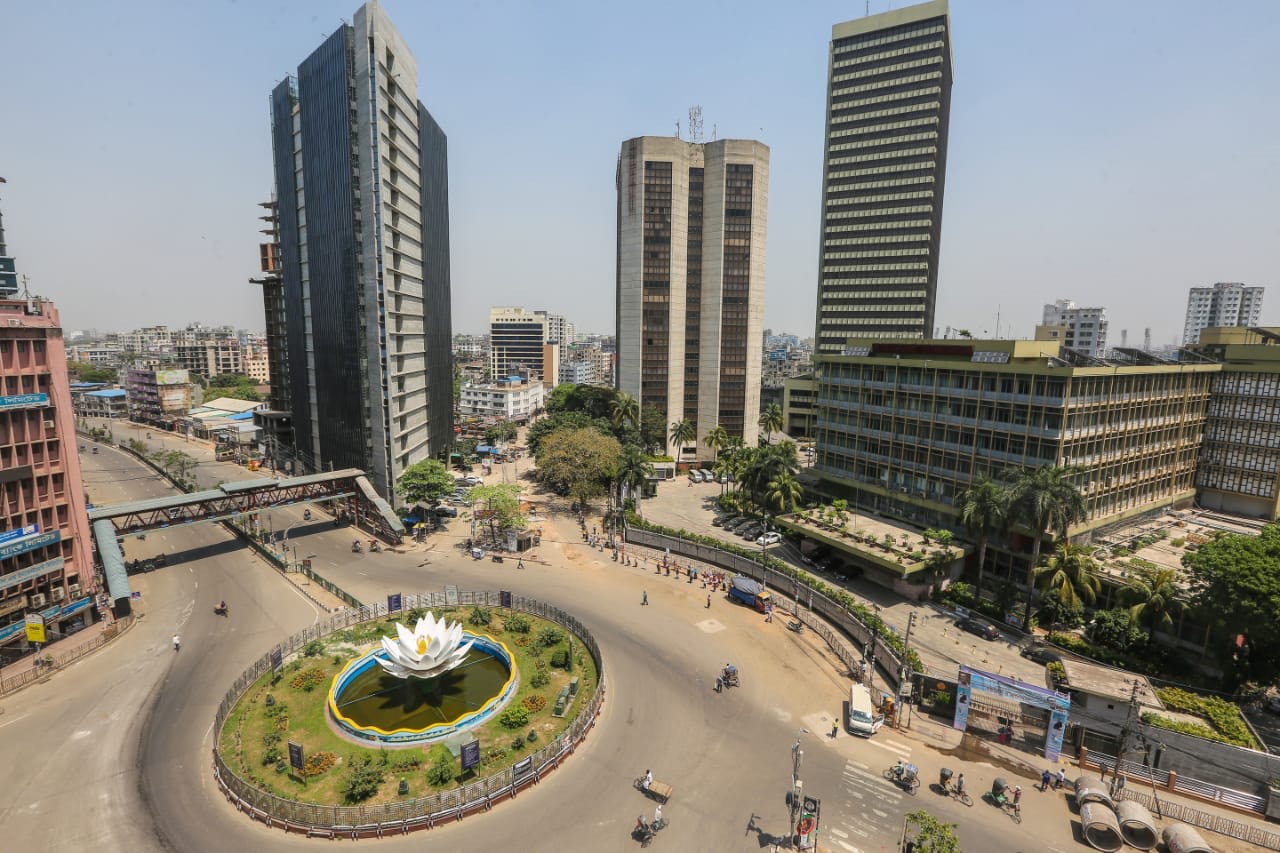
Dhaka city is an ever-expanding megacity. But the inhabitants of the city are suffering due to this unplanned expansion. Traffic has become the worst aspect of living in Dhaka city. With 18.10 lakh registered vehicles in Dhaka alone, and a population of 22.5 million, this is not surprising.
According to the Accident Research Institute, BUET, in 2018, Dhaka traffic wasted five million work hours and cost the economy Tk27,000 crore. This number has significantly grown in the last four years. According to research from BIDS and PRI, approximately 6 to 10% of the country’s GDP is indirectly lost to traffic consumption.
Continuous population increase
People from all over Bangladesh migrate to Dhaka in increasing numbers every year. According to the World Bank, approximately 400,000 to 500,000 people move to Dhaka annually.
People have always moved to the capital seeking a better life for themselves or their children, due to its higher economic opportunities. Bangladesh is also one of the worst victims of climate migration, hence the pressure of these migrants is felt the most in the main cities.
A concrete city with no space to breathe
Dhaka has grown much faster than the rest of the country, and as such, the infrastructure of the city had to be developed much faster, resulting in it having the most number of roads, flyovers, government and private sector offices, health and educational institutions, and more, in many cases, in an unplanned manner.
A city is supposed to have 25 % green space, but currently, Dhaka has less than 5%. The city is mostly concrete, with no space for children to play or adults to exercise or even breathe properly. Dhaka’s air quality is also a matter of concern and is potentially hazardous to health.
So, what can be done?
There has been a lot of debate on the proposed Detailed Area Plan (DAP), particularly on the restrictions being imposed. There are much better ways to make Dhaka more livable than some harsh regulatory embargoes in the proposed DAP.
We believe that it is high time the capital was decentralized, as it would solve many of the current issues. Currently, Dhaka is expanding geographically in all directions. In the east, the city is expanding towards Purbachal and Jalshiri while in the west, towards the extended sectors of Uttara. In the South, citizens are buying properties in Keraniganj, and the areas around Padma bridge. This has created an enormous opportunity to urbanize these areas in a planned manner.
The following can be a way to expand Dhaka without creating unnecessary bottlenecks:
Policy for planned expansion
There needs to be a national policy for urban expansion before the city expands. RAJUK, BRTA, City Corporation, DESCO, WASA, and TITAS all need to work together so that the new extensions of the city are planned out, for instance, to make sure the gas and water lines under the roads are correctly constructed. Also, different zones need to be allocated as residential and commercial areas to reduce congestion.
Investing in institutional infrastructure
Our experience suggests that the areas that have the best schools have the fastest urbanization. If the government creates public schools and colleges in the new areas and public hospitals, then more and more people will be willing to relocate to those areas.
Similarly, if the government can incentivize top private schools to construct branches in these new areas by providing them with subsidies, many people will be willing to move.

Similarly, incentives should be given to the private sector to build hospitals and shopping complexes. Furthermore, they should ensure accessibility to those areas through proper public transportation and good roads.
Offering home loans at lower interest rates
Banks and other financial institutions should be encouraged to offer loans at reduced interest rates. This would ideally include both home loans for potential homeowners in these areas, as well as business loans for real estate developers for projects.
Offering incentives to real estate companies
Incentives could be offered to real estate developers to build residential complexes and commercial projects. If real estate developers are given land at reduced prices, offered opportunities to go into joint ventures with the government, and tax holidays for building in these areas, I believe they would be more than willing to build in these areas.
Decreasing apartment registration costs
The government can reduce registration costs for apartments in these areas to ensure development. Moreover, there can be a slab registration fee depending on the size of the apartment where the larger the size of the apartment, the higher the percentage of the registration fee.
Encouraging offices to move
The corporate offices could be encouraged to move to these areas by providing incentives. People are willing to relocate to move close to commercial areas where there are job opportunities. The government can incentivize offices to move by, for instance, providing corporate tax holidays for a given year period.
Can the capital be shifted?
Bangladesh could also move the capital, and along with it, the government offices and industrial zones, away from Dhaka. Other countries have shifted their capital in the past, such as Malaysia and Kazakhstan. Indonesia is also shifting its capital to Borneo by 2050, a process that will cost more than USD 30 billion. But this is simply not financially or logistically feasible for Bangladesh as this is too expensive, and there are no big stretches of free land available.
Without attractive lifestyle amenities, any housing project is doomed to fail. For instance, Rajuk’s Uttara Apartment Project, situated on the Ashulia-Mirpur flood protection road, has become unattractive for this exact reason.
The country’s largest government apartment project – built on 214 acres of land and targeted at low and middle-income families – does not have much demand because there are no basic amenities in the vicinity. There are no public schools, hospitals, or markets. So the residents would have to go to central Uttara or Mirpur to buy groceries, go to school or receive healthcare. Consequently, they would have to spend an exorbitant sum of money on transport regularly. Thus, there is barely any demand for these apartments.
The situation in Dhaka city will only get worse over time. It is high time that we start planning for expanding the city outwards with proper policies. If the government bodies and private sector all start working together, and work in phases, Dhaka can complement the overall growth of Bangladesh as expected.
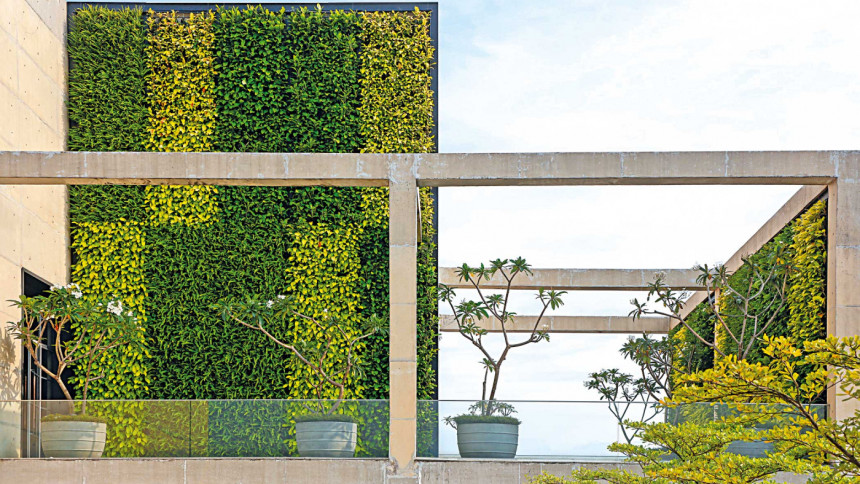
Embracing greenery, the new Rangs Properties Limited (RPL) headquarter has been designed by integrating nature into all of its aspects to keep sustainability and functionality intact, giving its employees a stress-free and eye-pleasing environment to work in.
Let’s dive deep into this article to know more about this initiative.
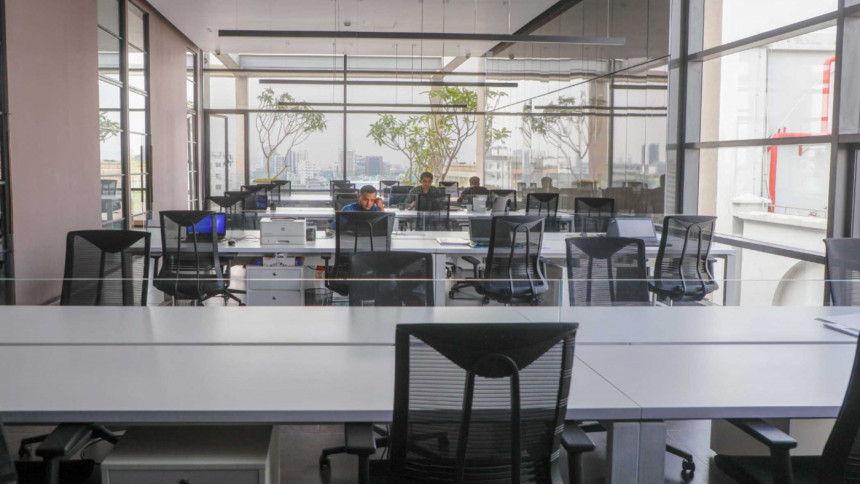
The combination of many factors makes a good working environment. Most office spaces are built the same – each tightly-spaced cubicle facing the next. While many office spaces have begun to take initiatives in revamping their workspaces, the focus falls on RPL and its efforts in creating a proper green, and breathable workplace.
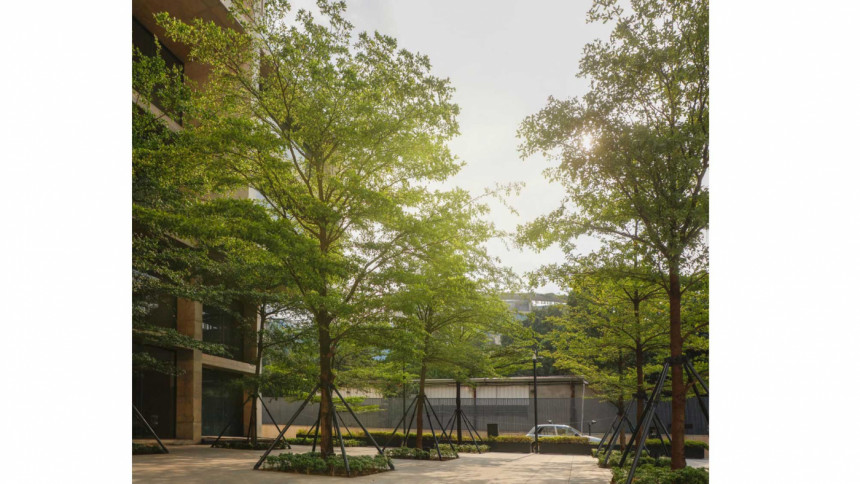
Located at the iconic Rangs Babylonia, in the heart of Tejgaon, we are humbly greeted by the openness of the space that occupies the 11th floor of the building. The walk-in to the main building complex is garnished with Madagascar Almond trees, setting the stage for what the floors of the building are to follow.
The terrace overlooking the city landscape presents a bold 30-feet vertical wall of greenery made of yellow and green Monstera and ferns. The wall is made with keeping sustainable design philosophy in mind. Geotex bags, made of biodegradable material, lined vertically in high columns keep all the plants in place. Each spacious meeting room on the floor houses a large plant.
The lobby itself is adorned with various life-sized plants. The floors of this building have similar open terraces, and a wide field of view courtesy of the surrounding full-height glasses. This allows for natural light to disperse throughout the day, thus saving a lot of energy in the process.
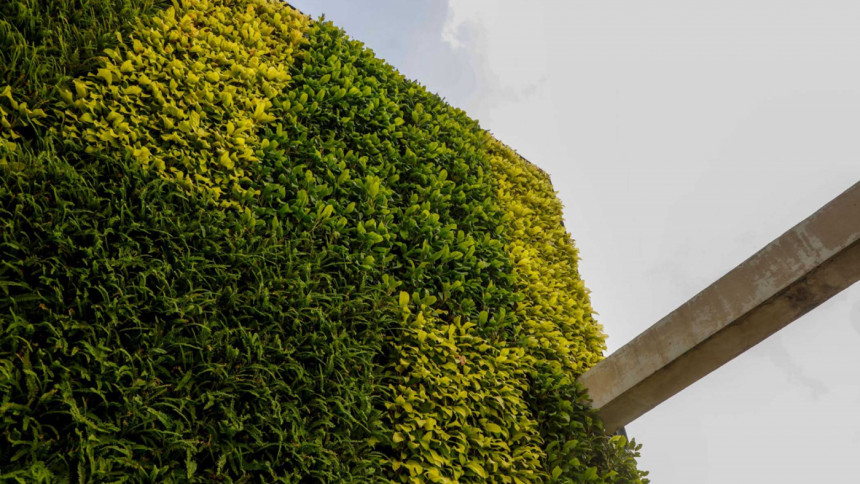
The spaciousness with which RPL’s new floors have been designed takes biophilic design elements into account. Biophilic design is a concept that enhances human connectivity with the natural environment. The use of Monstera for the vertical wall, for example, isn’t a coincidence. Monstera is considered one of the most effective plants for reducing air pollution, the same being true for ferns. The floor comes with not one but two terraces, with the second one containing large frangipani trees (Kath Golap) and more plants in the mix, giving the whole space a noble look.
RPL and its top management body’s core philosophy is green, which has been implemented and orchestrated by Inspace Architects Limited in the design of this office. It is designed with modern contemporary architecture and a minimal design approach, making the workplace feel livelier and less stress-inducing for employees and visitors alike.
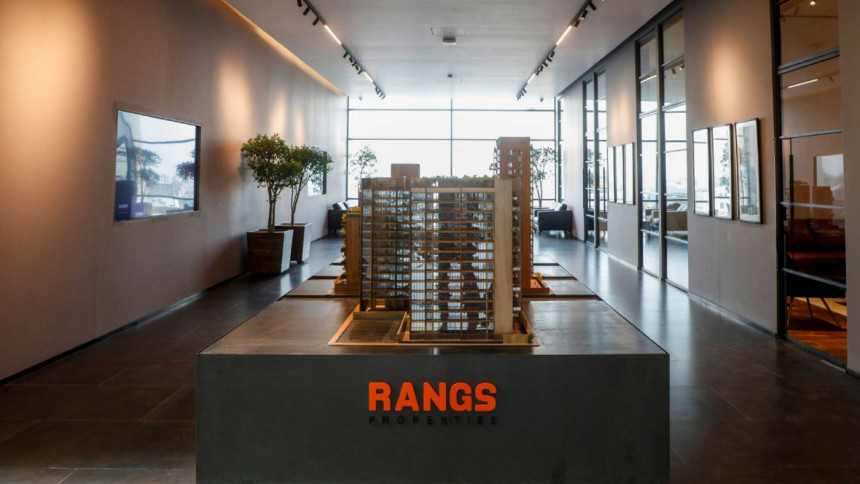
RPL has made great strides in creating green architecture since the implementation of green fencing in all its projects. The company utilizes any small space available and plans and designs it accordingly with a creative inclusion of greenery. As a result, in recognition of its efforts in mobilizing green initiatives and cleaner living, RPL received the Bangladesh Innovation Award in 2021.
On this World Environment Day, RPL’s eco-friendly objectives ring true to the motto of “Only One Earth”. Because of the implications of climate change, deforestation, and rapid urbanization, we need immediate actions and workable models.
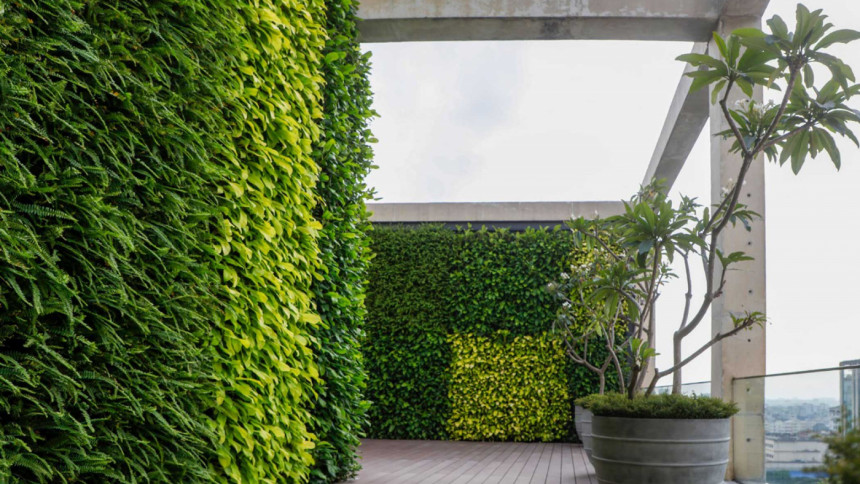
RPL has shown sustainable solutions through its green designs and with the unique look of its new office, the company has set an example of how breathable a workplace can be. This is a testament to Rangs Properties Limited’s forward-thinking in pushing the envelope on ensuring thriving greenery, and through this, they want to continue their journey of becoming a true, breathable real estate.

There are vast differences between today’s Dhaka and the Dhaka of thirty years ago. Presently, there is hardly any greenery to be seen. It is within this concrete jungle that Rangs Properties Limited (RPL) has been trying to provide avant-garde architecture and neo-modern buildings which provide glimpses of greenery in their residential buildings or commercial complexes.
RPL has been at the forefront of both commercial and residential real estate for more than two decades. The company has built more than 200 projects in more than 35 locations in the capital city, including, but not limited to, Gulshan, Banani, Dhanmondi, Baridhara, Uttara, Bashundhara, Lalmatia, Mohakhali, Mirpur, and many more. Chances are, on any major commercial road in Dhaka city that you pass by, be it Dhanmondi 27 or Gulshan Avenue, you will see a Rangs project.
Rangs Properties Limited, a RANCON company, officially started its journey in the 90’s, with its first buildings in Uttara, Gulshan, and Banani. Its flagship project, Rangs Waterfront, the first condominium complex in Bangladesh, was handed over in 2003. Rangs Properties entered into commercial spaces around the same time. When Rangs Anam Plaza was handed over in 2004, it completely changed the sphere of commercial real estate in Dhanmondi. After this, multiple commercial projects were handed over in premium locations, such as Rangs Babylonia, FC Square, Eminence, Fortune Square, etc.
Since its inception, Rangs Properties has been steering its way with the core purpose of bringing forth a revolution in design thinking and contemporary architecture in Bangladesh. With well-solved, inclusive and integrated designs, and technology-driven construction compliant with the national building code, a new dimension in innovation and design excellence has been the core philosophy of RPL.
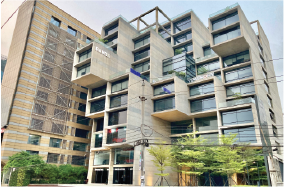
RPL has been continuously providing elegant residences. Rangs Diorama, currently under construction in Gulshan 2, is a residence that provides a truly opulent lifestyle where every corner spells excellence. They have also been continuously coming up with new innovations. For the first time in Bangladesh, RPL has introduced the concept of studio apartments. A kind of apartment that is popular in Western countries, these approximately 670 sq ft apartments present at Rangs Courtyard, Bashundhara, are fully furnished and fully equipped with all modern amenities. These apartments are perfect for a busy lifestyle as they are compact as well as convenient. People can go and see for themselves what a studio apartment at Rangs Courtyard would look like by visiting its experience center.
RPL is also providing affordable condominiums without compromising on Rangs Torukabbo a residential complex that harkens back to the roots of community living. Located in Begum Rokeya Sharani, one can receive the best amenities for their whole family, including a playground, open lawn, badminton court, swimming pool, and state-of-the-art fitness center. RPL also has an experience center here where one can go see for themselves what it would be like to live at Torukabbo.
RPL’s newest high-rise residence at Shahjadpur, situated right on the lake, will provide its residents with panoramic views from all sides. It reflects all the RPL values of providing exceptional lifestyles and being green. This residence will have a tennis court, infinity pool, functional rooftop, five-star gym, lounge area, and more. Several signature projects are also currently under construction in various parts of Uttara.
Being green is one of RPL’s core philosophies. The company is constantly carrying out research and trying out various creative and sustainable solutions. Every step of the process, from construction to completion aims to be sustainable. During construction, there is a green fence around the site made up of local species of plants, which brings a breath of fresh air to the surroundings. These fences are also reusable as they are reinstalled in other projects once construction is finished. As well as green fences, vertical greens, and green landscaping are used throughout their buildings, all of which reduce the internal temperatures of the buildings. In addition, Its buildings have solar panels and use rainwater harvesting technology. RPL has been recognized at the Bangladesh Innovation Award 2021 for its green initiatives.
RPL has been at the forefront of real estate in Dhaka city for more than two decades and will continue to lead the way with innovative solutions and unparalleled designs for creating exceptional lifestyles. It is famous in the industry for delivering what it promises, and while doing so, has successfully redefined the city’s real estate scene.
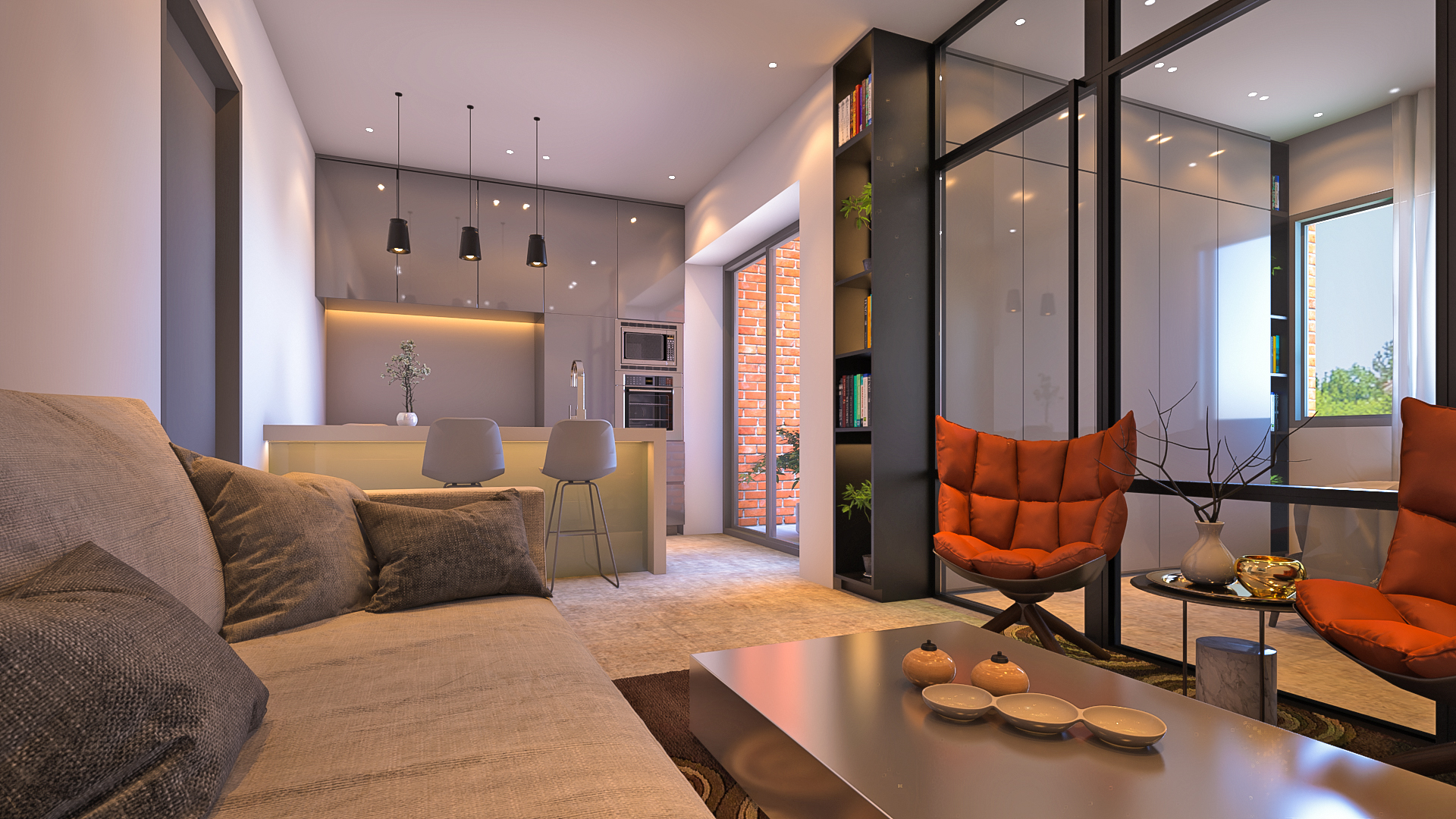
On the outskirts of Bashundhara located at Apollo road, Rangs Courtyard is a project that brews the community concept and studio apartment trend in today’s urban landscape; where only Highrise apartments are the most recurring structures occupying Dhaka’s skyline. The residential space is a perfect place to wind up for nuclear families. The project has a rooftop sky garden, built-in gymnasium, an open-air swimming pool along with kids play zone with the idea of reviving the lost childhood allowing care and affection to foster within the bricks and boundaries of Courtyard. The cherry on top is the easy entry and exit in Bashundhara without having to face its routine and familiar traffic.
For decades as a nation, we Bengalis have always fancied plush, independent houses, and viewed them as a symbol of aristocracy and high-rank lineage and have always admired the lifestyle that came along with it. As time went on, we have adjusted from joint families to small nuclear families, from analog to digital smart televisions. We now no longer rely on words of wisdom; instead, we turn to google, who is our modern-day savior for every big or tiny query. Similarly, big independent houses are becoming a rare sight in this city, and smaller apartments have grasped the industry for its convenience factor over the years. Studio apartments are a recent addition to the Bangladeshi market, which is currently seeing a significant uprise in demand considering the country’s real estate market, which often focuses on addressing the top tier belonging to the slanted vertical of the consumer psyche pyramid.
What exactly is a studio apartment?
Studio apartments comprise a single large room, including a bedroom, living room, dining lounge, compact kitchenette, and attached restrooms. The square feet of a studio apartment can range from 250 sqft to somewhere 1000+ sqft. These studio apartments are ideal living spaces for single city dwellers, small families, frequent travelers and ex-pats, and even first-time investors.
What do the numbers tell?
Studies suggest that the rate of urbanization in recent years in Bangladesh has been at 1.9 %, which is the highest in South Asia, whereas the industry’s YoY growth was above 5% in 2019. It is safe to say that the annual housing demands linger somewhere around 120,000 units, whereas the yearly supply caters approximately upto25,000 companies. With rising urbanization, inflation plays a vital role in affording homes more challenging to the lower & middle-income groups and below. As big real estate names continue to be more inclined towards luxury, studio apartments are a giant leap lurking around the corner, waiting to emerge as the game-changer.
The Present & Future:
While studio apartments are the fastest moving products in the west in terms of real estate, even in neighboring countries like India, Singapore, China & Hongkong,
Bangladesh is yet to experience its next wave of massive demand, which is due in the upcoming days.
As land continues to become scarce, Dhaka is expanding exponentially at the eastern horizon. Since time is a great essence, studio apartments placed at the heart of the business hubs ensuring excellent connectivity within necessary amenities, make them the most lucrative spaces. Young professionals, students, couples from all over the country come to Dhaka to pursue their studies, career interests, etc. In the
coming years, this number is likely to go up significantly.
The scope on ROI & Way forward with Rangs Properties:
Looking at studio apartments from an Investor’s perspective, the return is quite profitable as small spaces get rented out the fastest. For smaller ticket price with the expected sky-high demand, it also makes it an ideal deal for the first-time buyers and for those prefer to own rather than renting spaces. Affordable housing has become a necessity today which will redefine the way this industry operates, starting from the way properties are valued. Challenging conventions has set the ground for brilliance where it becomes a norm-setting new benchmark at every phase. The ground-breaking creations by Rangs Properties are sculpting the future of the real estate industry with the pledge to provide more and beyond.
Taking consideration of the upcoming paradigm shift in the market, Rangs designed its very first studio apartments at Courtyard. Located at Apollo road, Rangs Courtyard focused greatly on its connectivity, social infrastructure of the neighborhood and being at the walking distance proximity from Apollo hospital, universities, schools and colleges it has redefined its own Perks. Individually styled apartments with inviting lounge spaces and assisted living services are another way to dig deeper to offer a detailed personalized experience for a more customer centric approach.
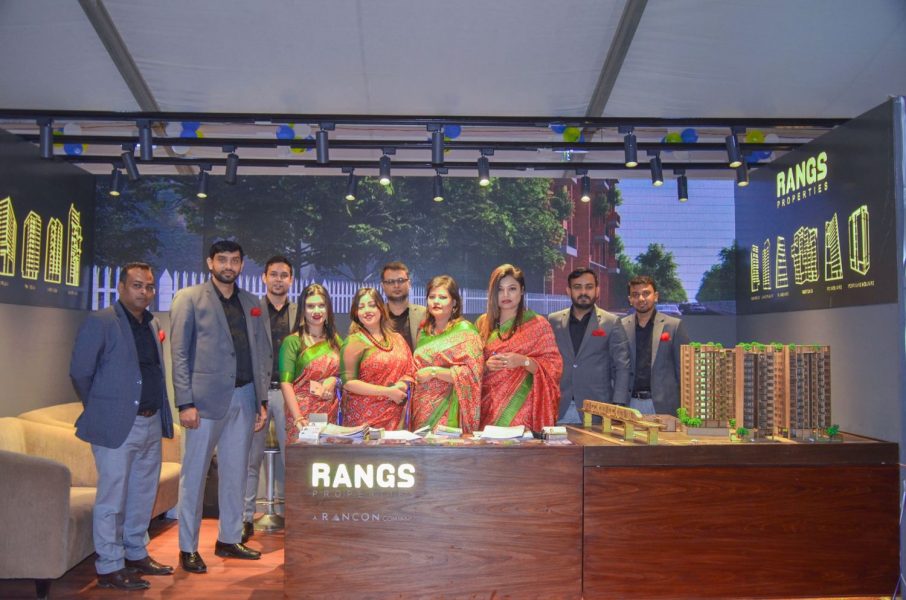
আবাসন খাতের সবচেয়ে বড় মেলা ‘রিহ্যাব উইন্টার ফেয়ার-১৯’ এ প্রতি বছরের মত এবারও র্যাংগস প্রপার্টিজ লিমিটেড (স্টল নং ১৩) অংশগ্রহণ করছে। প্রতিষ্ঠানটির এবারের চমক নতুন সব আকর্ষণীয় প্রকল্প। বঙ্গবন্ধু আন্তর্জাতিক সম্মেলন কেন্দ্রে (বিআইসিসি) অনুষ্ঠিত এই আবাসন মেলা চলবে ২৮ ডিসেম্বর। মেলা প্রতিদিন সকাল ৯টায় শুরু হয়ে শেষ হবে রাত ৮টায়।
র্যাংগস প্রপার্টিজ লিমিটেড এবারের ‘রিহ্যাব উইন্টার ফেয়ার ২০১৯’ এ ১৩নং স্টলে অংশগ্রহণ করছে মিরপুরের শেওড়াপাড়া সংলগ্ন অত্যাধুনিক এপার্টমেন্ট কমপ্লেক্স ‘তরুকাব্য’ নিয়ে। ২৮ ডিসেম্বর পর্যন্ত চলা আবাসন মেলায় এই নতুন প্রকল্পে বুকিং দিলে থাকছে বিশেষ প্যাকেজ।
এদিকে, দেশের আবাসন খাতের সবচেয়ে বড় মেলার উদ্বোধন করেছেন গৃহায়ণ ও গণপূর্ত মন্ত্রী শ ম রেজাউল করিম। উদ্বোধনের পর শুক্রবার (২৭ ডিসেম্বর) দুপুর ২টা থেকে দর্শনার্থীদের জন্য উন্মুক্ত করে দেয়া হয় মেলাঙ্গন।
জানা গেছে, মেলায় আবাসন খাতের ২৩০টি প্রতিষ্ঠান স্টল দিয়েছে। এসব স্টলে সরাসরি ফ্ল্যাট ও প্লট বুকিং দেয়ার সুযোগ রাখা হয়েছে। বুকিং দিলে নগদ অর্থ ছাড়সহ মিলছে আকর্ষণীয় নানা সুযোগ। কিস্তিতে ফ্ল্যাট-প্লট বুকিং দেয়ার সুযোগও রাখা হয়েছে। এর বাইরে ৩০টি নির্মাণসামগ্রী উৎপাদক ও সরবরাহকারী প্রতিষ্ঠান অংশ নিয়েছে মেলায়। বৈদ্যুতিক সামগ্রী, গৃহ সাজানোর সরঞ্জামাদি, টাইল্স ও সিরামিক্স পাওয়া যাচ্ছে ওই সব স্টলে।
আবাসন খাতে ঋণ সরবরাহকারী ১৪টি প্রতিষ্ঠানও অংশ নিয়েছে মেলায়। গৃহঋণের পরিমাণ ও প্রক্রিয়া সম্পর্কে ধারণা দেয়া হচ্ছে এসব প্রতিষ্ঠানের স্টলে।

প্রথম আলো: আবাসন খাতে অনেকেই ব্যবসা করছে। কিন্তু ব্র্যান্ড হতে পেরেছে আপনাদের মতো কয়েকটি প্রতিষ্ঠান। এই সাফল্যের মূলমন্ত্র কী?
মাশিদ রহমান: সাফল্যের থেকেও বড় বিষয় হচ্ছে এটি একটি দীর্ঘ যাত্রা। এই যাত্রার মধ্যে অনেক চড়াই-উতরাই আছে। তা ছাড়া আবাসন খাতে টিকে থাকাটা খুবই গুরুত্বপূর্ণ। সেই টিকে থাকাটা কেবল নামে নয়। কারণ, দিন শেষে অধিকাংশ মানুষ তাঁদের সারা জীবনের সঞ্চয় আবাসনে বিনিয়োগ করেন। ফলে আস্থার বিষয়টি গুরুত্বপূর্ণ। আমরা আমাদের দীর্ঘ পথচলায় ক্রেতাদের আস্থার জায়গায় পৌঁছাতে পেরেছি। তা ছাড়া আধুনিক নকশা ও উদ্ভাবনে সব সময়ই আমরা জোর দিয়ে থাকি। ব্যবহার উপযোগিতার সঙ্গে দেখার (লুক) ব্যাপারটি আমাদের কাছে খুব গুরুত্বপূর্ণ। সব মিলিয়ে মানের বিষয়ে আপস না করা, প্রতিশ্রুতি অনুযায়ী সরবরাহ ও মানুষের নির্ভরতার কারণে র্যাংগস প্রপার্টিজ লিমিটেড একটি উচ্চতায় পৌঁছেছে।
প্রথম আলো: রিহ্যাবের এক হাজার সদস্যের অধিকাংশই ঢাকাকেন্দ্রিক ব্যবসা করছে। তাতে জমি ও ফ্ল্যাটের দাম বেড়ে যাচ্ছে। ক্রেতারা ক্ষতিগ্রস্ত হচ্ছেন। এখানে নতুন করে চিন্তাভাবনার সুযোগ আছে কি?
মাশিদ রহমান: ভালো পয়েন্ট। তবে অসুস্থ প্রতিযোগিতা বড় প্রতিষ্ঠানকে স্পর্শ করে না। ছোট কোম্পানির বিষয়ে মানুষের একধরনের নেতিবাচক অভিজ্ঞতা হয়ে গেছে। অনেক ছোট কোম্পানি ফ্ল্যাট না বুঝিয়ে দিয়ে গায়েব হয়ে গেছে। অনেকেই লোকসান গুনেছেন। জমির মালিকেরা এখন আর দুটো টাকা পাওয়ার জন্য যেনতেন কোম্পানির কাছে দেন না। দিন বদলেছে। তারপরও বলব, বাজারে অসুস্থ প্রতিযোগিতা আছে। বিশেষ করে ছোট কোম্পানিগুলোর মধ্যে সেই প্রতিযোগিতা চলছে। জমি ক্রয়-বিক্রয়েও অসুস্থ প্রতিযোগিতা আছে। এটি নিরসনে সরকারের সহযোগিতা লাগবে। বর্তমানে পূর্বাচল, বসিলা, কেরানীগঞ্জের দিকে ঢাকা সম্প্রসারিত হয়েছে। সেখানকার যাতায়াতব্যবস্থা উন্নত করার পাশাপাশি ভালো স্কুল, কলেজ ও হাসপাতাল করার জন্য সরকারকে কার্যকর উদ্যোগ নিতে হবে। তবে তা না করে সরকারের প্রতিষ্ঠান নিজেই ব্যবসায় নেমে গেছে। রাজধানী উন্নয়ন কর্তৃপক্ষের (রাজউক) পূর্বাচল নতুন শহর প্রকল্প কার্যত ব্যর্থ। এটি সফল করার সহজ সমাধান আছে। ৩০০ ফুট সড়কের দুই পাশে ইউলুপ করে দিতে হবে, যাতে বসুন্ধরা ও পূর্বাচল থেকে সহজে প্রবেশ ও বের হওয়া যায়। তা ছাড়া দেশের সেরা ১০টি স্কুলকে পূর্বাচলে শাখার করার অনুমতি দিতে হবে। একই সঙ্গে হাসপাতাল ও বিশ্ববিদ্যালয় লাগবে। উত্তরা মডেল স্কুল ও স্কলাসটিকা উত্তরায় বসতি গড়ে ওঠার পেছনে বড় ভূমিকা রেখেছিল। ঢাকার প্রাণকেন্দ্রে চাপ কমাতে হলে আশপাশের এলাকায় যাওয়া ছাড়া আর কোনো বিকল্প পথ খোলা নেই।
র্যাংগসের বাণিজ্যিক প্রকল্প। গুলশান তেজগাঁও লিংক রোডে। ছবি: প্রথম আলোপ্রথম আলো: আবাসন খাতে অনেকেই ব্যবসা করছে। কিন্তু ব্র্যান্ড হতে পেরেছে আপনাদের মতো কয়েকটি প্রতিষ্ঠান। এই সাফল্যের মূলমন্ত্র কী?
মাশিদ রহমান: সাফল্যের থেকেও বড় বিষয় হচ্ছে এটি একটি দীর্ঘ যাত্রা। এই যাত্রার মধ্যে অনেক চড়াই-উতরাই আছে। তা ছাড়া আবাসন খাতে টিকে থাকাটা খুবই গুরুত্বপূর্ণ। সেই টিকে থাকাটা কেবল নামে নয়। কারণ, দিন শেষে অধিকাংশ মানুষ তাঁদের সারা জীবনের সঞ্চয় আবাসনে বিনিয়োগ করেন। ফলে আস্থার বিষয়টি গুরুত্বপূর্ণ। আমরা আমাদের দীর্ঘ পথচলায় ক্রেতাদের আস্থার জায়গায় পৌঁছাতে পেরেছি। তা ছাড়া আধুনিক নকশা ও উদ্ভাবনে সব সময়ই আমরা জোর দিয়ে থাকি। ব্যবহার উপযোগিতার সঙ্গে দেখার (লুক) ব্যাপারটি আমাদের কাছে খুব গুরুত্বপূর্ণ। সব মিলিয়ে মানের বিষয়ে আপস না করা, প্রতিশ্রুতি অনুযায়ী সরবরাহ ও মানুষের নির্ভরতার কারণে র্যাংগস প্রপার্টিজ লিমিটেড একটি উচ্চতায় পৌঁছেছে।
প্রথম আলো: রিহ্যাবের এক হাজার সদস্যের অধিকাংশই ঢাকাকেন্দ্রিক ব্যবসা করছে। তাতে জমি ও ফ্ল্যাটের দাম বেড়ে যাচ্ছে। ক্রেতারা ক্ষতিগ্রস্ত হচ্ছেন। এখানে নতুন করে চিন্তাভাবনার সুযোগ আছে কি?
মাশিদ রহমান: ভালো পয়েন্ট। তবে অসুস্থ প্রতিযোগিতা বড় প্রতিষ্ঠানকে স্পর্শ করে না। ছোট কোম্পানির বিষয়ে মানুষের একধরনের নেতিবাচক অভিজ্ঞতা হয়ে গেছে। অনেক ছোট কোম্পানি ফ্ল্যাট না বুঝিয়ে দিয়ে গায়েব হয়ে গেছে। অনেকেই লোকসান গুনেছেন। জমির মালিকেরা এখন আর দুটো টাকা পাওয়ার জন্য যেনতেন কোম্পানির কাছে দেন না। দিন বদলেছে। তারপরও বলব, বাজারে অসুস্থ প্রতিযোগিতা আছে। বিশেষ করে ছোট কোম্পানিগুলোর মধ্যে সেই প্রতিযোগিতা চলছে। জমি ক্রয়-বিক্রয়েও অসুস্থ প্রতিযোগিতা আছে। এটি নিরসনে সরকারের সহযোগিতা লাগবে। বর্তমানে পূর্বাচল, বসিলা, কেরানীগঞ্জের দিকে ঢাকা সম্প্রসারিত হয়েছে। সেখানকার যাতায়াতব্যবস্থা উন্নত করার পাশাপাশি ভালো স্কুল, কলেজ ও হাসপাতাল করার জন্য সরকারকে কার্যকর উদ্যোগ নিতে হবে। তবে তা না করে সরকারের প্রতিষ্ঠান নিজেই ব্যবসায় নেমে গেছে। রাজধানী উন্নয়ন কর্তৃপক্ষের (রাজউক) পূর্বাচল নতুন শহর প্রকল্প কার্যত ব্যর্থ। এটি সফল করার সহজ সমাধান আছে। ৩০০ ফুট সড়কের দুই পাশে ইউলুপ করে দিতে হবে, যাতে বসুন্ধরা ও পূর্বাচল থেকে সহজে প্রবেশ ও বের হওয়া যায়। তা ছাড়া দেশের সেরা ১০টি স্কুলকে পূর্বাচলে শাখার করার অনুমতি দিতে হবে। একই সঙ্গে হাসপাতাল ও বিশ্ববিদ্যালয় লাগবে। উত্তরা মডেল স্কুল ও স্কলাসটিকা উত্তরায় বসতি গড়ে ওঠার পেছনে বড় ভূমিকা রেখেছিল। ঢাকার প্রাণকেন্দ্রে চাপ কমাতে হলে আশপাশের এলাকায় যাওয়া ছাড়া আর কোনো বিকল্প পথ খোলা নেই।
প্রথম আলো:আগে স্কুল-কলেজ-বিশ্ববিদ্যালয় ও হাসপাতাল হবে, নাকি আগে আবাসন প্রকল্প করতে হবে?
মাশিদ রহমান: ভালো স্কুল, কলেজ ও হাসপাতাল মানুষকে টানবে। বাজার সৃষ্টি হবে। চিন্তা করে দেখেন, মানুষ কেন সিদ্ধেশ্বরীর দিকে থাকে? কারণ, সেখানে কয়েকটি সেরা স্কুল আছে। তা ছাড়া পাশেই সচিবালয়, ঢাকা বিশ্ববিদ্যালয় ও ঢাকা মেডিকেল কলেজ। আসল কথা হচ্ছে ঢাকাকে ছড়িয়ে দিতে হবে। সে জন্য অবকাঠামো দরকার। তাতে দাম হয়তো খুব একটা কমবে না, কিন্তু মানুষের জীবনযাত্রা আরামদায়ক হবে।
প্রথম আলো:তাহলে কি সাশ্রয়ী দামে ফ্ল্যাট দেওয়া সম্ভব নয়?
মাশিদ রহমান: আমাদের মতো দেশে কম দামে আবাসন সম্ভব নয়। তবে সাধ্যের মধ্যে আবাসন দেওয়া সম্ভব। সে জন্য মানুষকে ঢাকার আশপাশের এলাকায় নিয়ে যেতে হবে। সে জন্য কিছু প্রণোদনা লাগবে। ঢাকায় এখনো কিছু জায়গা আছে, যেখানে প্রকল্প করলে ৫০ লাখ টাকায় ১ হাজার বর্গফুটের ফ্ল্যাট দেওয়া সম্ভব। তবে সেখানে মানুষকে নিতে হলে ভালো স্কুল করে দিতে হবে। আবার বড় প্রকল্প করা গেলেও দাম কমে যায়। তবে সে ধরনের আবাসন প্রকল্প করার সক্ষমতা আছে মাত্র ছয়-সাতটি প্রতিষ্ঠানের। ৯৮ শতাংশ প্রতিষ্ঠানই বছরে তিনটি প্রকল্প করে। সেটিও আবার পাঁচ কাঠার। বড় প্রকল্প করতে হলে ৬০ কাঠার মতো জমি লাগবে। রিহ্যাবের তরফ থেকে রাজউকের কাছে কয়েক দফা প্রস্তাব দেওয়া হয়েছে, ‘সাশ্রয়ী মূল্যে বড় জমি দেন। আমরা বেসরকারি আবাসন প্রতিষ্ঠানগুলো ফ্ল্যাট নির্মাণ করে দিই।’ এমনটি হলে সাধারণ মানুষকে সাধ্যের মধ্যে ফ্ল্যাট দেওয়া সম্ভব। কারণ, জমির উচ্চ মূল্যের কারণেই ফ্ল্যাটের দাম যায় বেড়ে।
প্রথম আলো: রাজউক তো কয়েকটি ফ্ল্যাট প্রকল্প করেছে। সেই ফ্ল্যাট কি স্বল্প আয়ের মানুষ কিনতে পেরেছেন?
মাশিদ রহমান: রাজউক নিজে না করে যদি বেসরকারি আবাসন প্রতিষ্ঠানকে দিত, তাহলে অনেক বেশি কাজে দিত। সে ক্ষেত্রে যেনতেন কোম্পানি নয়, শীর্ষ প্রতিষ্ঠানকে কাজ দিতে হবে। রাজউক যে জায়গায় প্রকল্প করেছে, সেই জমি হয়তো তারা বিনা মূল্যে পেয়েছে। সেটি হলে আমরা তাদের সঙ্গে প্রতিযোগিতা করতে পারব না। নীতিনির্ধারক যদি ব্যবসায় নামে, তাহলে আমরা তো টিকে থাকতে পারব না।
প্রথম আলো: বাংলাদেশ ব্যাংক সম্প্রতি গৃহঋণের সীমা ১ কোটি ২০ লাখ টাকা থেকে বাড়িয়ে ২ কোটি টাকা করেছে। তাতে কি সাধারণ মানুষ উপকৃত হবেন?
মাশিদ রহমান: ব্যাংকঋণের সুদের হার ১২-১৪ শতাংশ। অধিকাংশ ক্রেতাই ফ্ল্যাট চায় ১ কোটি টাকার নিচে। তাই সাধারণ মানুষের উপকার করতে হলে সুদের হার হ্রাস করতে হবে। সে ক্ষেত্রে বাংলাদেশ ব্যাংক স্বল্প আয়ের মানুষের জন্য ৮ শতাংশ সুদহার নির্দিষ্ট করে দিতে পারে। কারা স্বল্প আয়ের মানুষ, সেটি নির্ধারণ করাও সহজ। যেহেতু তারা সাধারণত ছোট আকারের ফ্ল্যাট কেনে, তাই ১ হাজার ২০০ বর্গফুট পর্যন্ত ফ্ল্যাট কেনার ক্ষেত্রে ৮ শতাংশ সুদহার করা যেতে পারে। অন্যদিকে আবাসন ব্যবসায়ীদের ব্যাংকঋণের সুদের হার ১০ শতাংশে নামিয়ে আনতে হবে। এটি হলে ছোট ফ্ল্যাটের চাহিদা বাড়বে। পাশাপাশি কোম্পানিগুলোও ছোট ও সাশ্রয়ী দামের ফ্ল্যাট করতে উৎসাহিত হবে।
সাক্ষাৎকার নিয়েছেন: শুভংকর কর্মকার
215, Bir Uttam Mir Shawkat Sarak Road,
Tejgaon I/A, Dhaka-1208
096 17 123 123(Sales Hotline)
02 88 333 23 (Customer Service)
info@rangsproperties.com
© Copyright 2026 - Rangs Properties Ltd
